
The women who protect the stork
In Assam's Brahmaputra Valley, a biologist helped turn a bird villagers once disliked into a symbol of local pride.
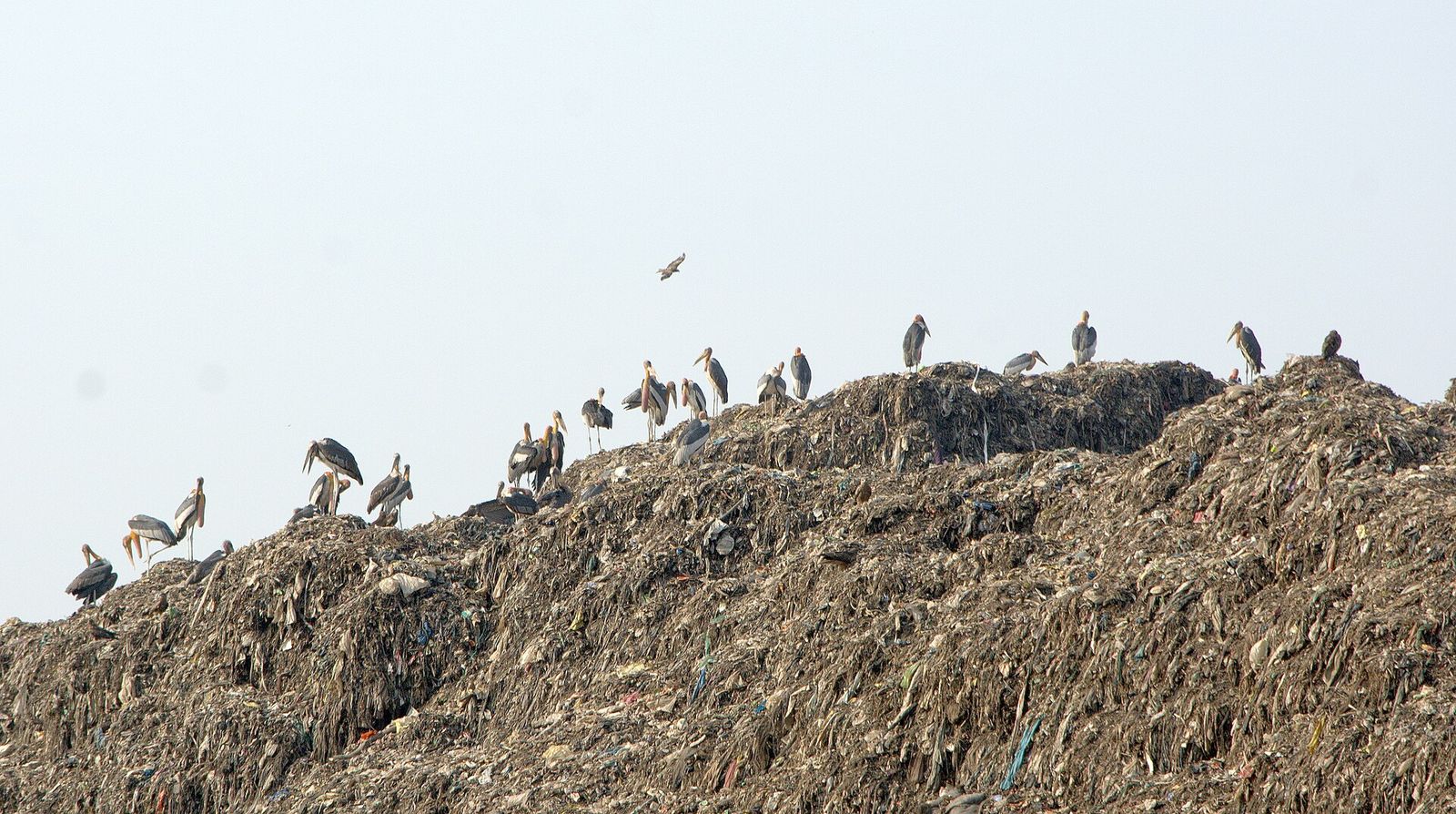
The greater adjutant stork, known in Assamese as the hargila, is a large, bald-headed scavenger that nests in tall trees close to villages. For years many rural residents saw it as a pest, and the loss of nesting trees pushed the species to the edge. Biologist Purnima Devi Barman began studying it for her doctorate in 2007, and what followed became one of Assam's best-known community conservation efforts.
Mongabay's Angana Chakrabarti, writing in May 2025, reports that Barman, who works with the wildlife organisation Aaranyak and leads the Women in Nature Network, founded the Hargila Army, a network of village women now said to number more than 20,000 members. Other outlets quote smaller figures for earlier years, so the exact count is best checked with the group.
The method, as Mongabay describes it, was to work through culture. Barman began with a rice-cake (pitha) competition to draw village women together, and prayer songs about the stork are now sung in the naamghar, the village prayer hall. The bird's image appears in weaving and on mekhela sador garments, and a ceremony akin to a baby shower is held to wish nesting mothers and nestlings well. Villages named in the report include Dadara, Singimari and Pacharia in Kamrup district.
The results are measurable. The report cites the IUCN's estimate of 650 to 800 mature birds in 2007 and 1,360 to 1,510 by 2023, a rise that helped move the species from Endangered to Near Threatened. TIME named Barman among its Women of the Year for 2025.
For a visitor, the lesson is both practical and humbling. A bird that people avoided is now a source of pride and, in some villages, a modest tourism draw. If you visit, go through a local guide or the conservation group, do not approach nests, and buy woven goods that carry the stork motif directly from the women who make them.
Prices, dates, permits and rules change — approximate, verify before you travel. Researched from public sources; field verification pending.
Planning a journey like this?
Tell us the season and your pace — we'll shape it into a private itinerary.
Talk to a travel designer