
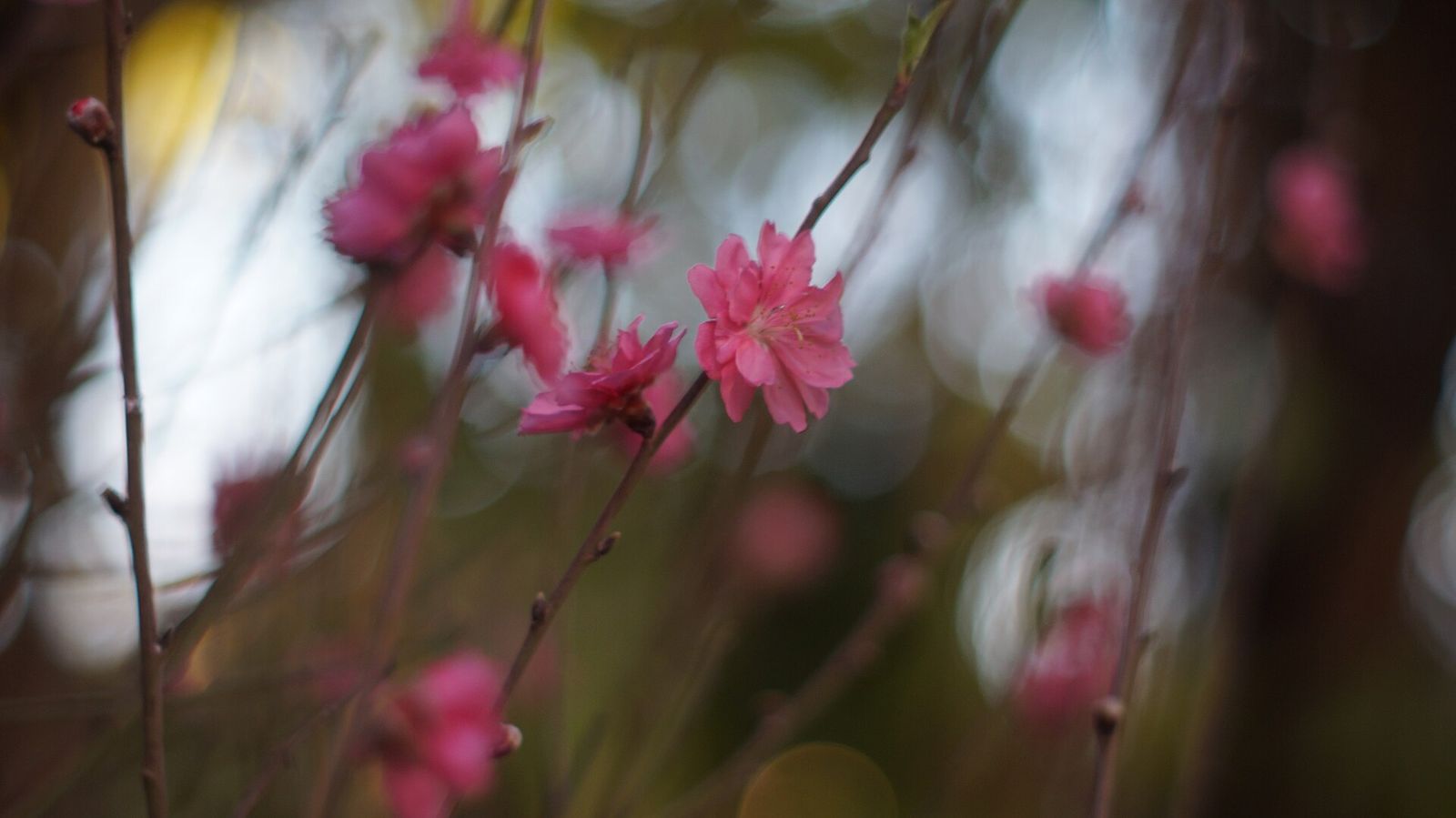
Tet in Vietnam: the new year that closes the cities
Vietnam's biggest holiday falls on 17 February 2026. What to expect, and how to plan around it.
Tet Nguyen Dan, usually shortened to Tet, is the Vietnamese Lunar New Year, and in 2026 the first day falls on 17 February, the start of the Year of the Horse. The government approved a nine-day holiday period from 14 to 22 February for state employees, and many private businesses follow it in part. For a traveller, that means a country that is very lively in the week before, and unusually quiet in the three days that follow.
In the lead-up, families clean their homes, pay off debts and buy flowers. In northern Vietnam, including Hanoi, peach blossom and small kumquat trees are the traditional decorations; further south, yellow apricot blossom is more common. Sticky-rice cakes called banh chung in the north and banh tet in the south are wrapped and cooked in the days before the holiday. Many visitors enjoy walking Hanoi's flower markets in the week before Tet, when streets fill with people carrying blossoming branches home on motorbikes.
The first three days of Tet are family days. Many restaurants, shops and small guesthouses close, and long-distance buses and trains are heavily booked as people return to their home provinces. This is not a bad time to visit if you plan for it: book accommodation and transport early, expect some closures, and use the quieter days for places that stay open, such as major museums and hotels, or a short trip with a hired driver. If you are invited into a home, bring a small gift such as fruit or sweets, and expect to be offered tea and snacks.
A traditional craft sold at Tet is Dong Ho folk painting, woodblock prints from a village near Hanoi that were once hung in homes for the new year. Our People & Places pages look at the family trying to keep the craft alive.
Entry rules: Vietnam's e-visa is open to citizens of all countries, valid for up to 90 days, and costs USD 25 for a single entry and USD 50 for multiple entries, according to the official portal and tourism authority. Apply only through the government site, as many look-alike agencies charge much more. Check your own passport's requirements before travelling.
Prices, dates, permits and rules change — approximate, verify before you travel. Researched from public sources; field verification pending.
Planning a journey like this?
Tell us the season and your pace — we'll shape it into a private itinerary.
Talk to a travel designer