
Songkran, and the slower north of Thailand
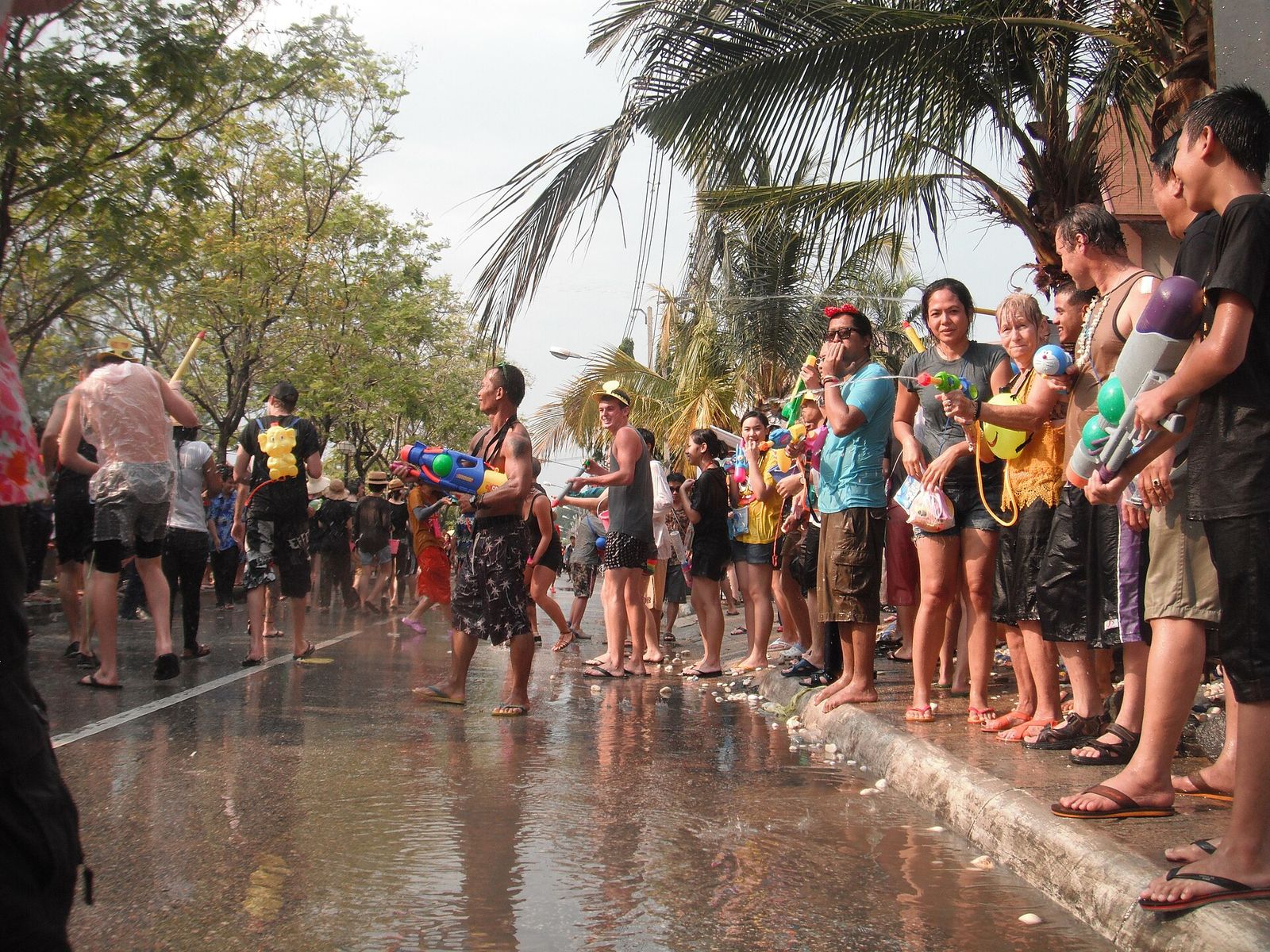
Thailand's new year is famous for water fights. Beneath the splashing there is a quieter ritual, and in the north it lasts longer.
Songkran, Thailand's traditional new year, is celebrated from 13 to 15 April, and the Tourism Authority of Thailand has confirmed that it will go ahead in all regions this year. The festival is recognised by UNESCO as Intangible Cultural Heritage, and to visitors it is best known for the water: pistols, buckets and hoses in the streets, big water zones in Bangkok on Silom Road and around Siam Square, and a general willingness to be soaked.
The water began as a blessing. Traditional Songkran involves merit-making at temples, visiting elders, and pouring water gently over the hands of older relatives to ask for their blessing. The Tourism Authority's own guide notes that regions celebrate differently: Ayutthaya has temple events and a elephant water-splashing event, the northeast mixes ritual with city energy, and southern beach towns such as Phuket hold their own celebrations.
The north is where the pace slows. In Chiang Mai the festival includes longer, more traditional ceremonies than in the capital, and celebrations in some northern places run beyond the three core days. If you want to see the ritual side as well as the water side, base yourself in the old city, take a morning for temples before the water fights begin, and then join the crowd by the moat in the afternoon. Some northern towns also hold processions of Buddha images through the streets.
Practical advice matters here. Waterproof your phone and documents; wear quick-drying clothes and closed shoes; expect heat, since April is among the hottest months in Thailand; and drink water yourself. Not everyone wants to be splashed, so avoid soaking monks, the elderly, babies and anyone on a motorbike. Many offices and some shops close for the holiday, and buses and trains are crowded as Thais travel to their home towns, so book transport early.
Beyond the festival, the north offers temples, mountains, markets and craft villages. If you want to see elephants, research carefully. Choose a sanctuary that does not offer rides or performances, and read the profile of one founder in this issue's People & Places before you decide.
Prices, dates, permits and rules change — approximate, verify before you travel. Researched from public sources; field verification pending.
Planning a journey like this?
Tell us the season and your pace — we'll shape it into a private itinerary.
Talk to a travel designer