
Namibia in the dry season: wildlife, distance and the desert rhinos
The dry months are when animals gather at waterholes. They are also when the long road distances matter most.
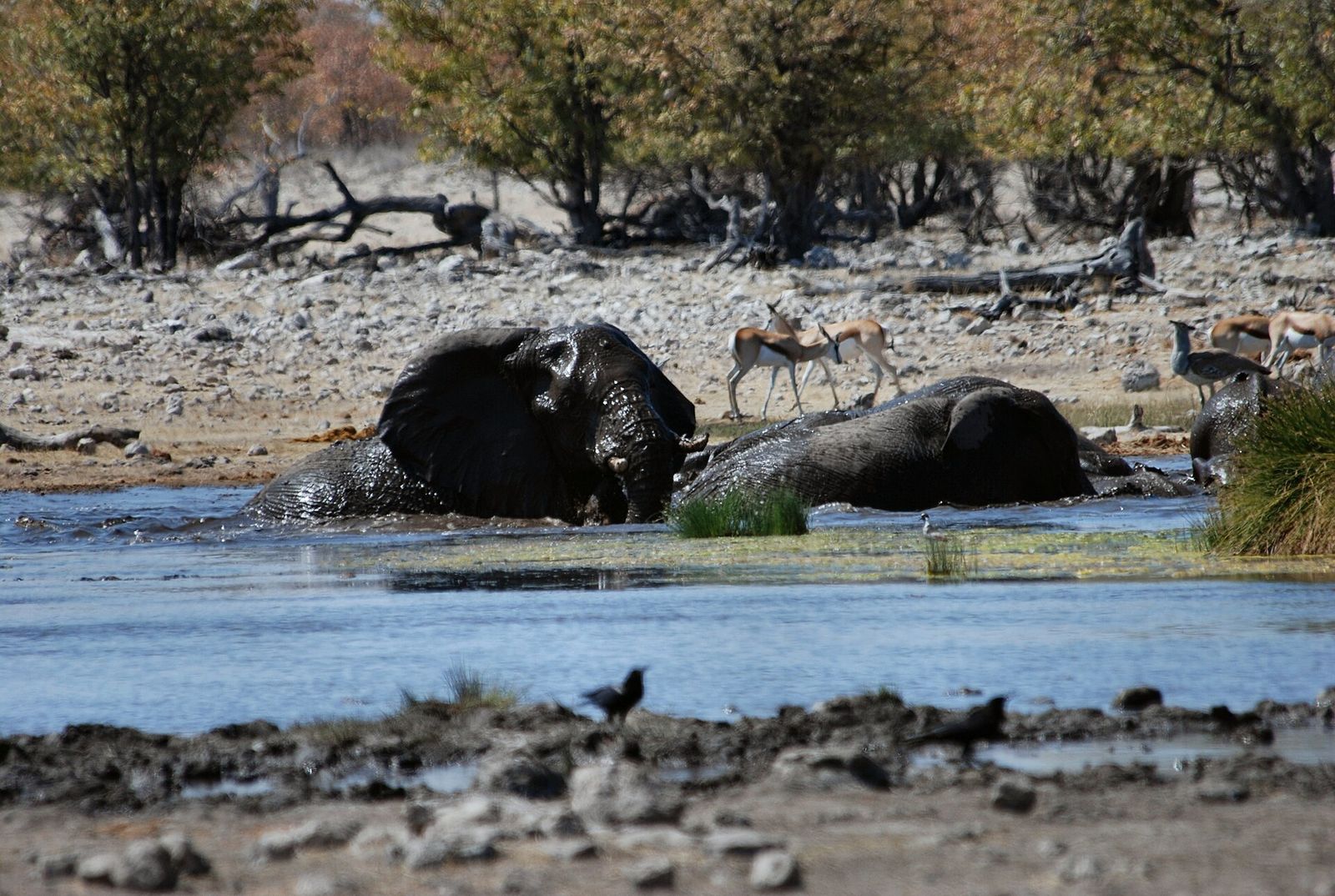
Namibia's dry season, roughly from May to October, is the best time to see wildlife. With little rain, animals concentrate around the few permanent waterholes, and at parks such as Etosha the viewing from a car or lodge can be good. Days are warm to hot, nights are cold in the desert, and the skies are clear.
Distances are the first thing to plan for. Namibia is large and thinly populated, and roads between sights can be long, with gravel stretches. Many visitors hire a four-wheel-drive and drive themselves; others fly between regions or join tours. Plan generous drive times, avoid driving at dusk and night when animals cross the road, and carry spare water and a spare tyre.
Namibia has also built a model that connects wildlife to local livelihoods. Since independence in 1990, the country has established community conservancies, and according to the Christian Science Monitor in January 2024, 86 communal conservancies now cover more than 20 per cent of the country. In the north-west, the Save the Rhino Trust, founded in 1982, works with community rangers and trackers to protect desert-adapted black rhinos, and tourists can join guided rhino tracking on foot, in a way that pays for the work. We profile the trust's story in this issue.
Other highlights include Sossusvlei and the red dunes of the Namib, the Skeleton Coast and the Himba and Herero cultural areas. Treat cultural visits carefully: ask whether the community has been involved in planning the visit, and pay fairly for photographs and crafts.
Indian passport holders should check Namibia's current visa requirements through the official government channels before booking, as rules have been changing. Carry medical insurance with evacuation cover, since many areas are far from hospitals.
How to go well: choose lodges and guides who share income with conservancies, keep a respectful distance from animals, and stay on marked tracks in the desert, where tyre marks last for years.
Prices, dates, permits and rules change — approximate, verify before you travel. Researched from public sources; field verification pending.
Planning a journey like this?
Tell us the season and your pace — we'll shape it into a private itinerary.
Talk to a travel designer