
Oaxaca: Day of the Dead, as a guest
A holiday that belongs to families, not to visitors, and how to be there without getting in the way.
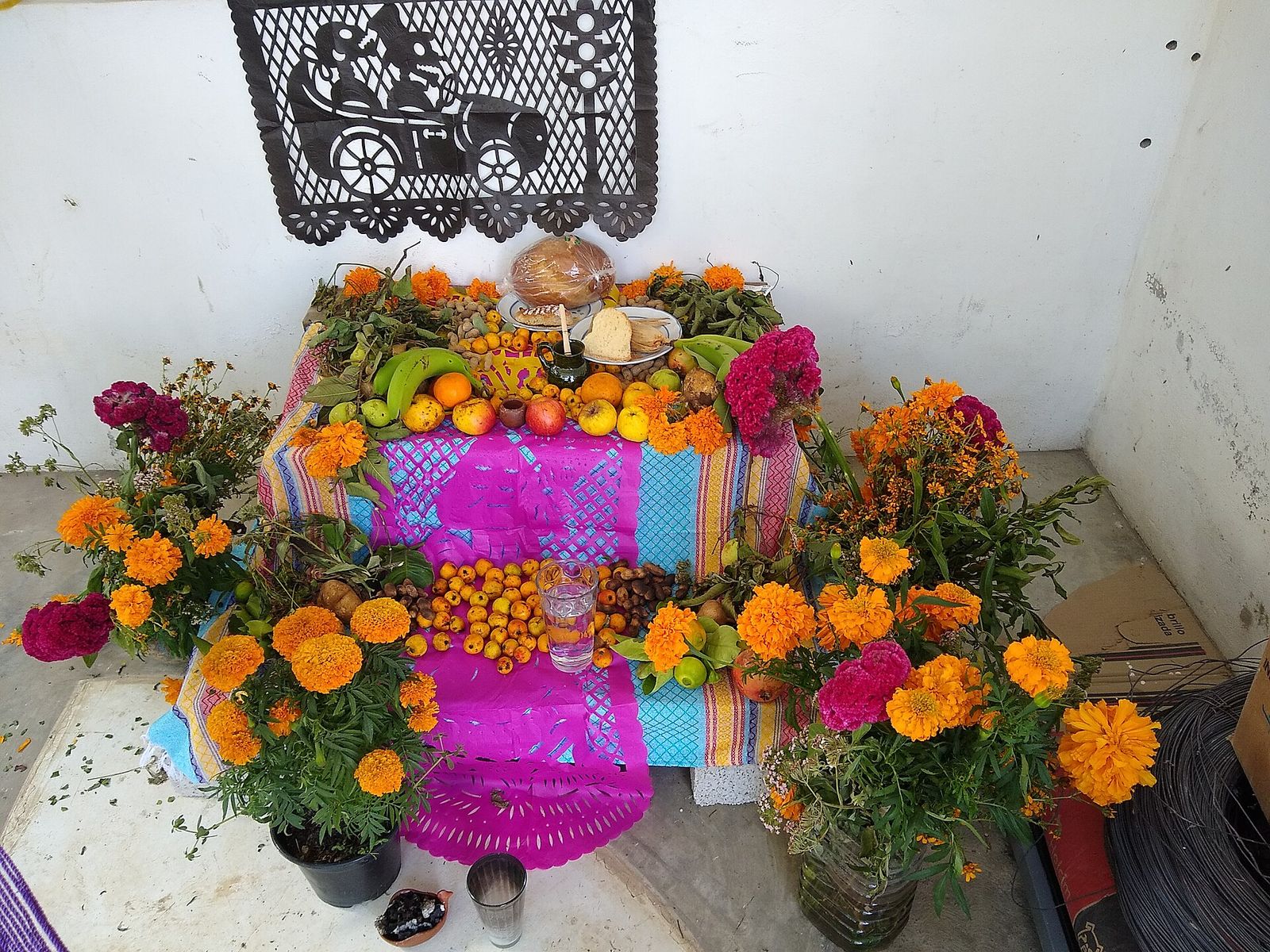
Day of the Dead, traditionally celebrated on 1 and 2 November, with 31 October and 6 November added in some places, is a time when Mexican families remember the people they have lost. UNESCO placed the holiday on its Representative List of the Intangible Cultural Heritage of Humanity in 2008, as practised by Mexico's indigenous communities. Families build home altars, called ofrendas, with photographs and the favourite food and drink of the dead, decorated with orange marigolds, pan de muerto and sugar skulls. They also clean and decorate graves, and in some towns spend the night in the cemetery.
Oaxaca, in southern Mexico, is among the best-known places to see this, and also among the busiest. A tour operator's blog in the state warns that the holiday's growing fame has brought face-painting parties and little understanding of its indigenous roots. That is useful guidance rather than a prohibition. The point is to understand that you are a guest at a family's grief and remembrance, not an audience at a show.
How to be a good guest: if a family invites you to their altar or cemetery, accept with thanks and take a small gift, such as bread or flowers. Ask before taking photographs, especially at graves, and expect some families to say no. Stay out of the way of mourners, keep your voice low, and avoid costumes that imitate the holiday's imagery.
Outside the holiday, Oaxaca rewards a longer stay. Villages in the Central Valleys such as Teotitlán del Valle have kept weaving and natural-dye traditions alive, as one of our profiles shows. Plan accommodation months ahead for the holiday dates, as the city fills up.
On entry: reporting and consular guidance indicate that Indian passport holders generally need a visa for Mexico, and that rules for those holding other visas vary and are described differently in different sources. Check the Mexican foreign ministry (SRE) or your consulate before you travel.
Prices, dates, permits and rules change — approximate, verify before you travel. Researched from public sources; field verification pending.
Planning a journey like this?
Tell us the season and your pace — we'll shape it into a private itinerary.
Talk to a travel designer