
Magh Bihu and the tea country: January in Upper Assam
A harvest festival built around fire and food, in the region where Indian tea began.
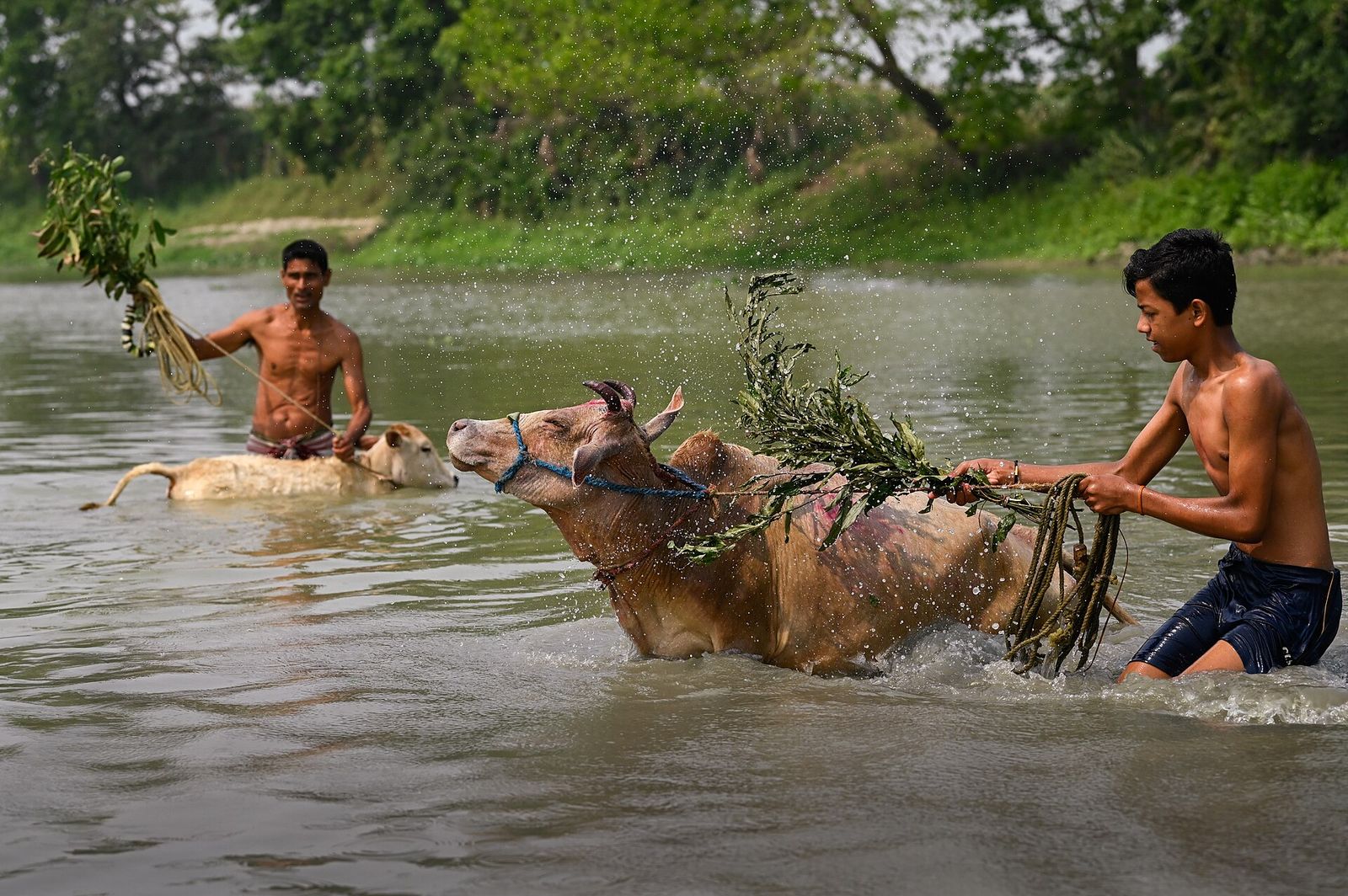
Magh Bihu, also called Bhogali Bihu, is Assam's mid-January harvest festival. The name comes from bhog, which means feasting, and that is a fair summary. The evening before is called Uruka, when villagers and neighbourhoods build temporary huts of bamboo and straw, cook a communal meal and stay up around a fire. At dawn the next morning people bathe and light the meji, a stack of bamboo, wood and straw, as an offering; the ashes are traditionally scattered on the fields.
For 2026, most calendars and news reports place Uruka on 14 January and Magh Bihu itself on 15 January. Because the festival is tied to the sun's movement into Capricorn, a few sources give 14 January as the main day, so plan for both days. The festival is first of all a family and village occasion, and visitors are guests. Ask a hotel, homestay or tea estate whether any local group welcomes visitors to its Uruka feast, and go with that invitation rather than turning up uninvited.
The food is a large part of the day. Households make rice cakes called pitha in many forms, sweets of coconut and sesame called laru, and savoury dishes cooked for the night feast. If you are offered something, accept it and ask what it is called; Assamese hosts are usually delighted to explain.
Upper Assam is also the natural place to follow a festival with the tea country. The Tocklai Tea Research Institute in Jorhat, founded in 1911, is widely described as the world's oldest tea research station, and is run by the Tea Research Association. The Assam plains around Jorhat, Sivasagar and Dibrugarh are lined with estates, and some offer tours, tastings and stays in old planter bungalows. Visit between November and March for the cool, dry months, and check access rules with the institute and each estate before you go.
Two more places make a good loop. Majuli, the river island in the Brahmaputra, is reached by ferry from Jorhat district and is best in the dry season. The Charaideo Moidams, the burial mounds of the Ahom rulers, were inscribed as a UNESCO World Heritage Site in July 2024 and are covered in our Heritage column this month.
Plan the practicalities with care. January in Upper Assam brings cool mornings and thick fog, which can delay flights and slow roads, so leave a buffer day on either side of the festival if you have a connection to catch. Bihu falls at the same time as other mid-January festivals elsewhere in India, which means trains and flights to Guwahati and Jorhat can fill early. Book your transport first and your stay second, and keep your plans flexible enough to accept an invitation if one comes.
Check current travel advisories and local conditions before any journey in the Northeast, as roads and conditions change.
Prices, dates, permits and rules change — approximate, verify before you travel. Researched from public sources; field verification pending.
Planning a journey like this?
Tell us the season and your pace — we'll shape it into a private itinerary.
Talk to a travel designer