
Istanbul to Cappadocia: a spring route
Two cities of stone, six hundred kilometres apart. How to link them in March without falling out of love with either.
Spring is a good time to pair Istanbul with central Turkey. The crowds are smaller than in summer, the light is clear, and mornings are cool enough for long walks. The two halves of the trip are very different in character: Istanbul is a layered city on two continents, and Cappadocia is a volcanic plateau where people have carved homes and churches into soft rock for centuries.
Begin in Istanbul. The Historic Areas of Istanbul have been on UNESCO's World Heritage List since 1985, and include the old city around Sultanahmet, where Hagia Sophia stands. Built under the emperor Justinian between 532 and 537, it served as a church, then as a mosque after 1453, a museum from 1935, and again as a mosque since 2020. Arrangements for visitors have changed since then, so check the official rules before you go; our Heritage column this month looks at the building. Leave time away from the headline sights too: a ferry on the Bosphorus, the neighbourhoods across the Golden Horn, a long lunch with no schedule.
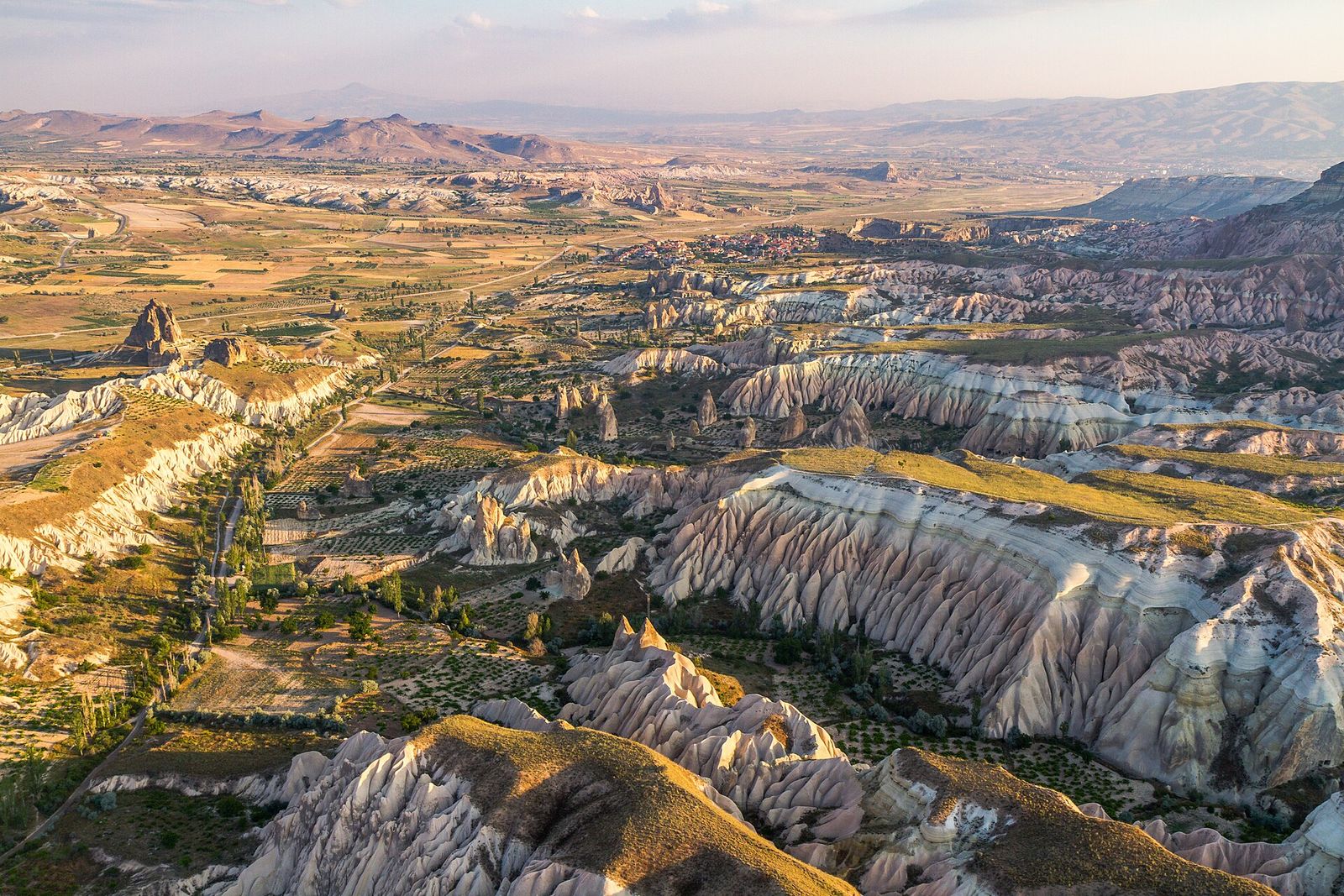
Cappadocia is reached by air from Istanbul, with flights to Nevşehir Kapadokya Airport or to Kayseri, a larger city to the north-east, followed by a road transfer. The area was inscribed by UNESCO in 1985 as Göreme National Park and the Rock Sites of Cappadocia. Its tall pillars, known as fairy chimneys, were shaped by erosion of volcanic deposits. The Göreme Open Air Museum holds more than thirty rock-cut churches and chapels, some with frescoes from the ninth to the eleventh centuries, and underground settlements such as Derinkuyu and Kaymaklı were dug by communities seeking shelter in unsettled times.
Hot-air balloon flights over the valleys at sunrise are the area's most famous activity. They depend on the wind and are cancelled on many mornings, so build in spare days rather than a single dawn, and choose an operator that is licensed and clear about its safety record and cancellation policy. Walking in the valleys is quieter, free and in March often has better light.
A day in Avanos, a town on the Kızılırmak river about 18 km north of Nevşehir, shows another side of Cappadocia: potters have worked there with the river's red clay for generations, and many workshops invite visitors to try a wheel.
One fact belongs on every March plan. In 2026, Ramadan is expected to run from about 18 February to about 19 March, with Eid al-Fitr around 20 March; dates differ by a day depending on moon sighting. In Istanbul and Cappadocia, the main tourist sites and most restaurants remain open, but some local businesses keep shorter hours, and the evening iftar meal at sunset is a social moment worth sharing if you are invited. Eid brings a holiday period, with busy transport and some closures. Avoid eating or drinking conspicuously in a very conservative neighbourhood during daylight, and book transport early if you travel around Eid.
Entry rules depend on your passport, and e-Visa eligibility has conditions, so check the official Turkish e-Visa site and your own embassy before you book.
Prices, dates, permits and rules change — approximate, verify before you travel. Researched from public sources; field verification pending.
Planning a journey like this?
Tell us the season and your pace — we'll shape it into a private itinerary.
Talk to a travel designer