
The sea women of Jeju
On a volcanic island, a community of women divers has harvested the sea for generations without breathing equipment.
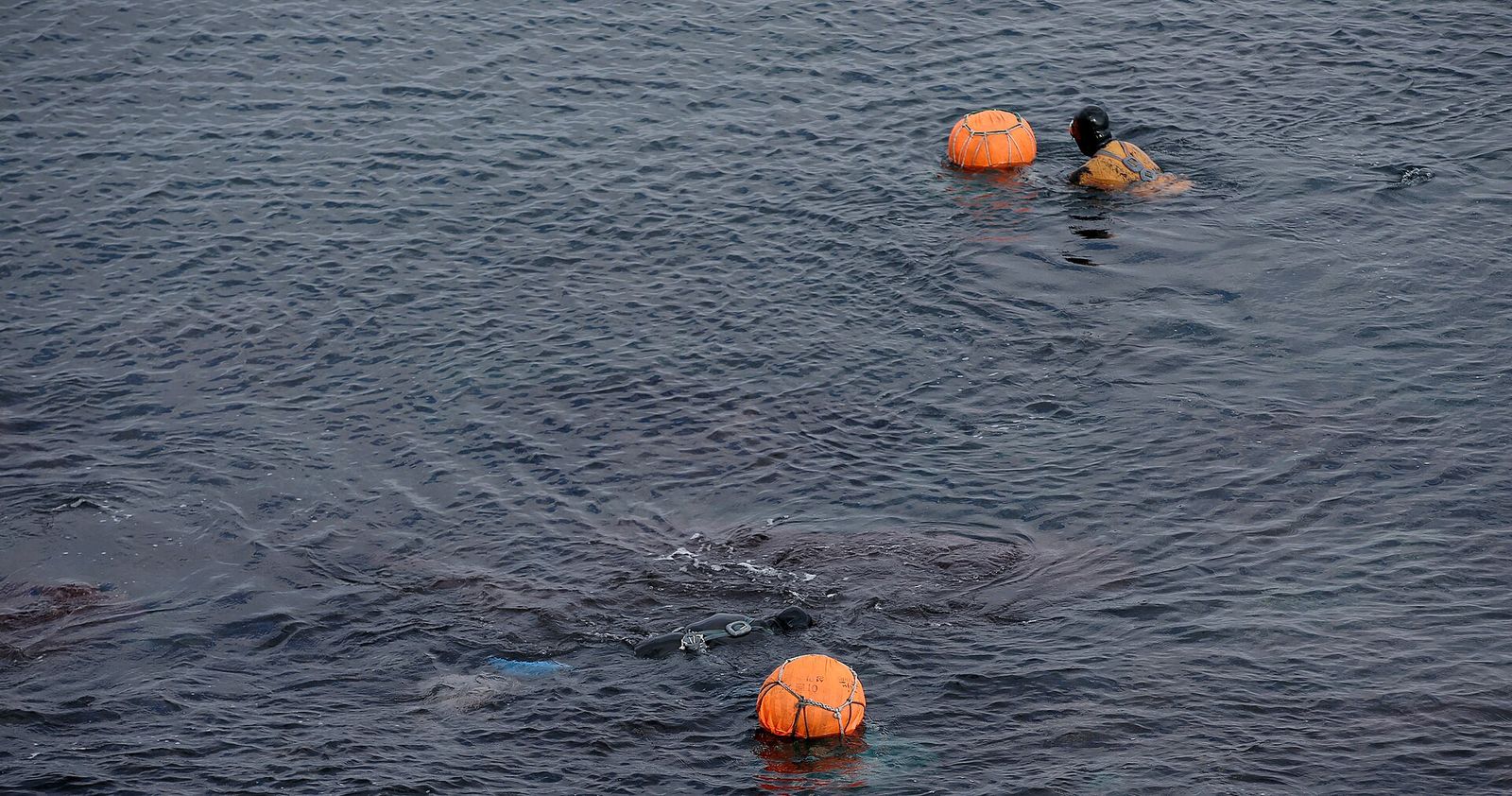
The haenyeo, or sea women, of Jeju Island are women divers who gather abalone, conch, octopus, seaweed and other seafood by diving and holding their breath. UNESCO added the culture of the Jeju haenyeo to its Representative List of the Intangible Cultural Heritage of Humanity in 2016, after South Korea nominated it in 2014.
According to commonly cited accounts, girls traditionally began training at a young age, moving from shallow water to deeper dives over years. Dives can reach around twenty metres, with breath-holds of a minute or two, and divers use a distinctive whistling breath on surfacing. Equipment is simple: a mask, fins, a weighted belt, a small hoe and a net on a float. Before wetsuits, winter dives were short; modern wetsuits let divers stay in the water for much longer.
The tradition is shrinking. Industrialisation, tourism and new job opportunities drew younger women away, and most haenyeo today are in their sixties or older, with the oldest in their eighties. Rising sea temperatures and concerns about marine resources have added pressure. Government support includes subsidised equipment and rights to sell fresh seafood, according to the sources we consulted. Figures vary, so use only counts that come directly from the Jeju provincial government.
As a visitor, learn about the haenyeo at the island's Haenyeo Museum and at village exhibitions, and treat any chance to see them at work as a privilege. Do not get close to divers in the water, do not photograph without asking, and if you eat seafood sold by them, pay what is asked.
Prices, dates, permits and rules change — approximate, verify before you travel. Researched from public sources; field verification pending.
Planning a journey like this?
Tell us the season and your pace — we'll shape it into a private itinerary.
Talk to a travel designer