
The journalist who imagined the cherry trees
Eliza Scidmore, a travel writer and geographer, first proposed Japanese cherry trees for Washington in the 1880s. It took more than two decades to happen.
Eliza Ruhamah Scidmore (1856–1928) was an American writer and geographer who travelled widely and wrote about Japan, Alaska, India, Java and China. Among her books are Jinrikisha Days in Japan (1891) and Winter India (1903). In 1892 she was elected secretary of the National Geographic Society, making her the first woman on its governing board, and she wrote for its magazine.
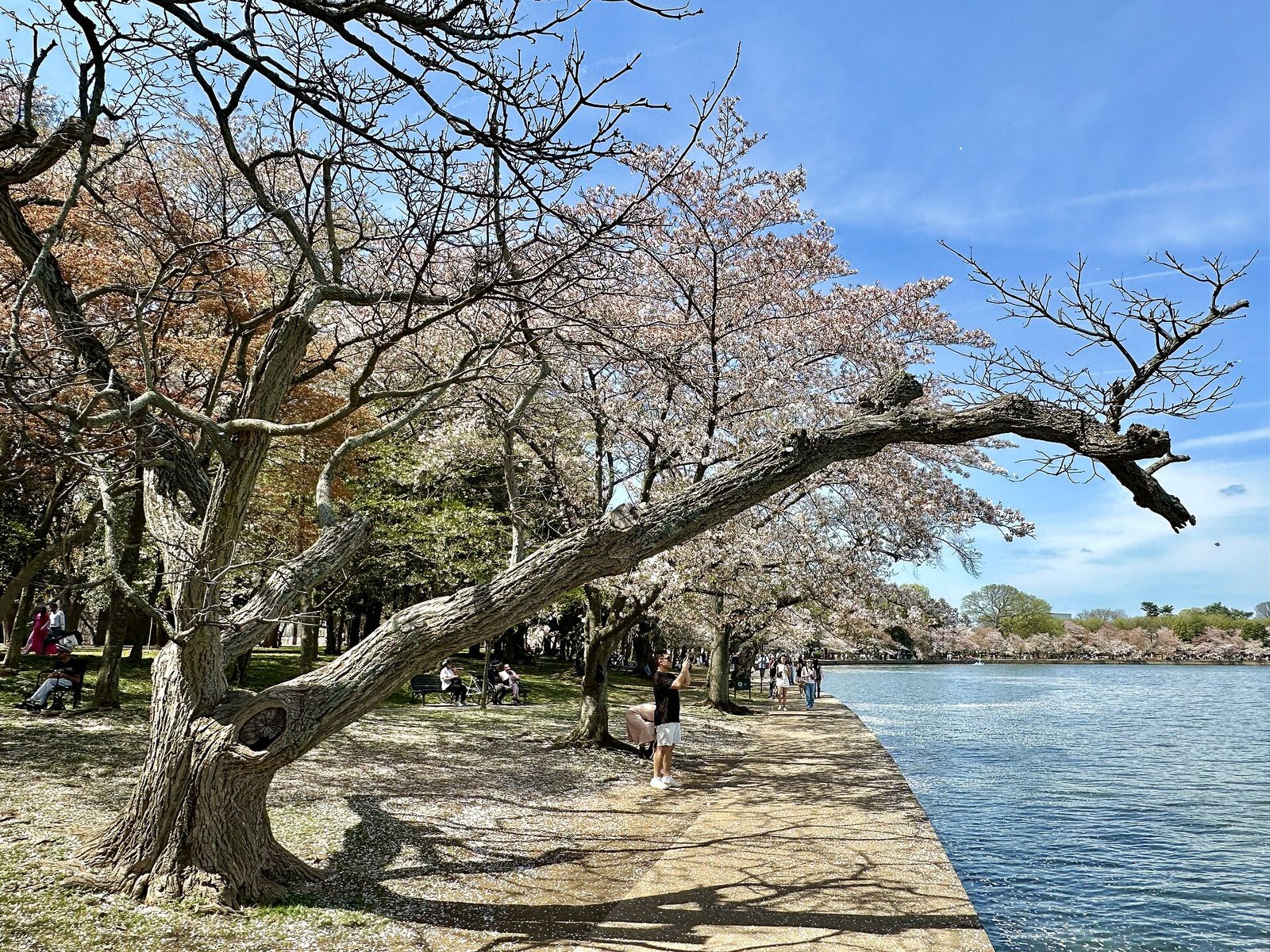
According to published accounts, she was struck by the cherry blossoms she had seen in Japan, and from the 1880s she proposed to the officials responsible for Washington's parks that cherry trees be planted along the Potomac waterfront. The idea found little interest at first. It gained momentum only decades later, when First Lady Helen Herron Taft took it up in 1909.
The first attempt failed. A shipment of trees sent from Tokyo in 1910 arrived infested with pests, and, on the president's orders, had to be burned. A second shipment, of about three thousand trees, was sent in 1912 and planted around the Tidal Basin; on 27 March 1912, Mrs Taft and Viscountess Chinda, wife of the Japanese ambassador, planted the first two. The gift is credited to the mayor of Tokyo, Yukio Ozaki. The first formal festival followed in the 1930s.
Scidmore received a medal from the Emperor of Japan for her services to Japan, according to biographical accounts. The next time you walk under the blossoms, you are following an idea that took decades and one failed shipment to bear fruit.
Prices, dates, permits and rules change — approximate, verify before you travel. Researched from public sources; field verification pending.
Planning a journey like this?
Tell us the season and your pace — we'll shape it into a private itinerary.
Talk to a travel designer