
From poachers to guides: Edwin Sabuhoro and the Virunga forests
A former Rwandan park official decided that the war on poaching was unjust, and turned poachers into eco-tourism partners.
In 2003, Edwin Sabuhoro ran tourism operations at Volcanoes National Park in Rwanda, where around 200 rangers and soldiers were assigned to protect the gorillas. Poaching, illegal logging and grazing continued anyway. A long profile by Phil Sands in The National, published on 9 July 2015, tells what happened next.
In 2004 he led an effort to recover a baby gorilla that was being offered for sale for US$2,000, posing as a collector in order to buy it back. When he afterwards visited the poachers' families, he concluded that they were themselves victims of desperate poverty. He resigned from the park service, saying that the war against them was unjust.
In 2005 he spent six months living among poaching communities. Using about US$2,000 of his own savings, he started small potato farms, which produced enough food to eat and sell. The reporting says poaching fell as a result. He then built an ecotourism company, a cultural village and arts and crafts cooperatives, mostly employing former poachers. Many became porters and guides for gorilla trekkers.
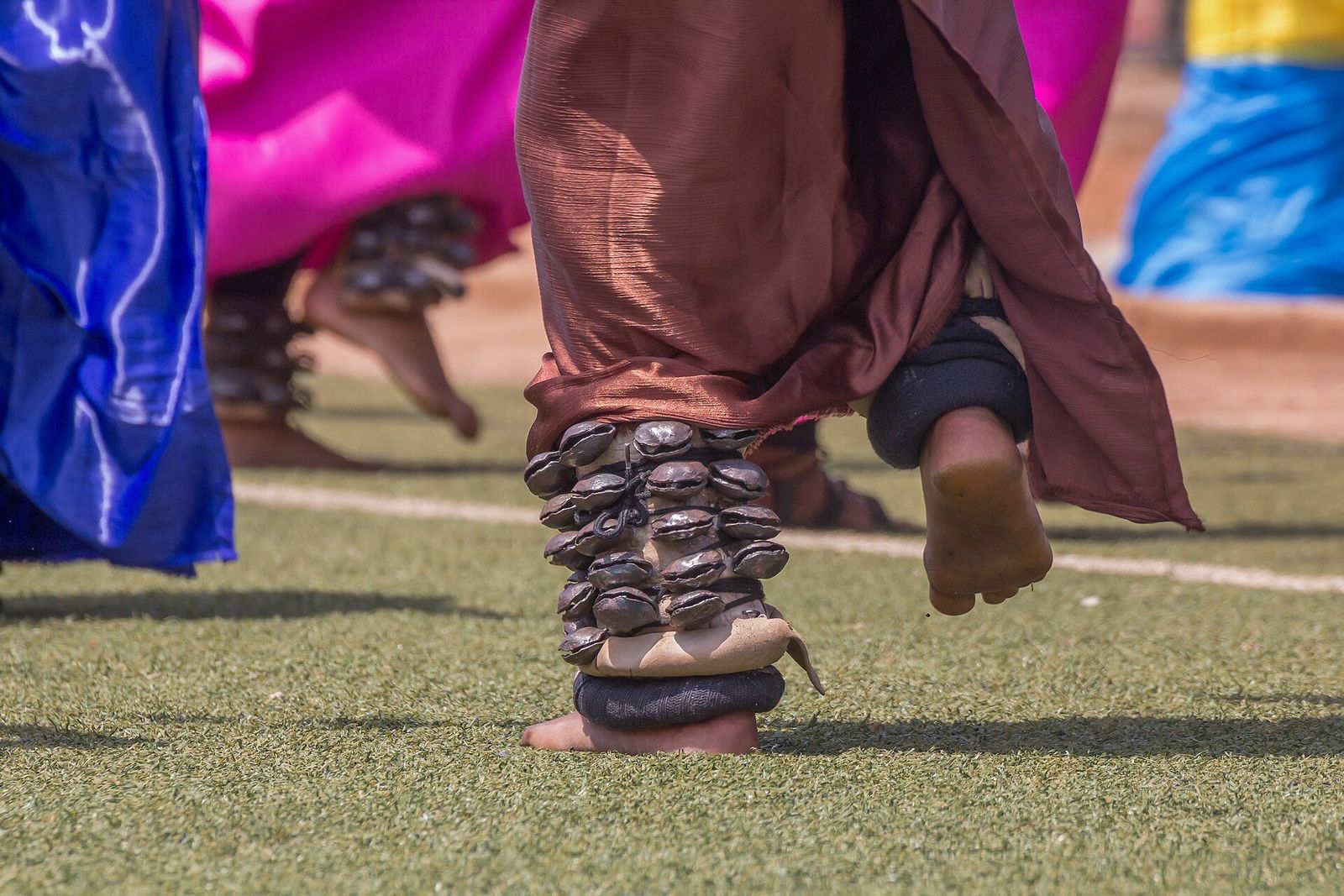
The article also introduces Leo Nedas, a 75-year-old Batwa man who had hunted in the forest and who now shares traditional poetry, dance and stories with visitors at the cultural village. Later reports describe the village as the Iby'Iwacu cultural village and mention former poachers working as interpreters; the figures given for how many people are involved vary between sources, so we do not repeat any here.
Conservation in the Virunga forests is not finished, and a recent report from Rwanda's government says that snare recoveries in the park have risen. The lesson for travellers is simple: the permit fee you pay and the guide you hire are part of a system that has to keep making sense to the people who live beside the forest.
Prices, dates, permits and rules change — approximate, verify before you travel. Researched from public sources; field verification pending.
Planning a journey like this?
Tell us the season and your pace — we'll shape it into a private itinerary.
Talk to a travel designer