
The homestay idea that began in Rumbak
Women in a village inside Hemis National Park proposed hosting trekkers. The programme that followed has changed how Ladakh lives with snow leopards.
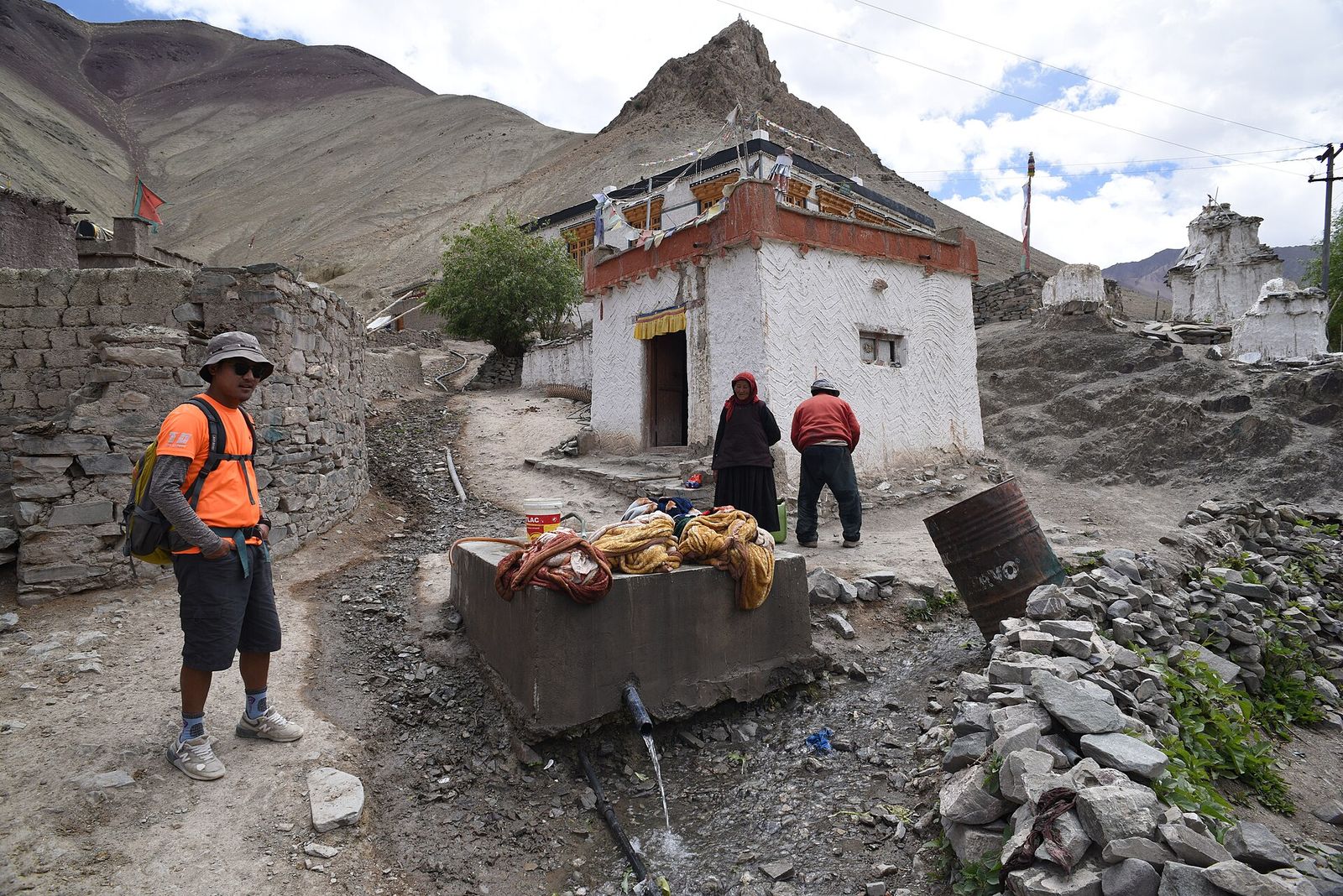
Rumbak is a small village in Hemis National Park, in Ladakh, a place where snow leopards are among the animals that sometimes kill livestock. A conservationist named Rinchen Wangchuk co-founded the Snow Leopard Conservancy India Trust in 2000, with American biologist Rodney Jackson, to look for ways in which people and the animal could coexist.
In 2003, according to The Better India's 2020 profile, the trust began the Himalayan Homestay Programme in Rumbak, an idea that women in the village had proposed: host trekkers in their own homes and earn from it. The programme has since helped set up more than 200 homestays across Sham Valley, Rong Valley and Zanskar. The same report says residents earn roughly Rs 15,000 to Rs 2.5 lakh over a season of about six months, depending on how popular their route is.
A second idea sits alongside it: livestock insurance. Villagers pay premiums for insured animals, and the trust adds a matching amount, which builds a fund from which villagers are compensated when an animal is killed on high pastures. The trust has also helped build more than 200 predator-proof corrals across Ladakh. The aim, in plain terms, is to make tolerating the leopard less costly.
Rinchen Wangchuk, who began as a nature guide for wildlife film crews, died in 2011, aged 42. His work continues through the trust, and the state wildlife department took over management of Hemis National Park in 2006. Conservationists have called the homestay model a game-changer, though that is their own assessment rather than an independent evaluation, and snow leopard numbers in Ladakh remain a concern, with estimates of just over 250 in one account.
If you visit, book through a registered homestay or operator, accept simple food and shared rooms, hire local guides, and remember that wildlife sightings are never promised. The money you spend is the point.
Prices, dates, permits and rules change — approximate, verify before you travel. Researched from public sources; field verification pending.
Planning a journey like this?
Tell us the season and your pace — we'll shape it into a private itinerary.
Talk to a travel designer