
Ladakh's high season: how to climb slowly
Leh sits at about 3,500 metres, and the best trips begin with doing very little. A guide to arriving well, moving up gradually and travelling with the place rather than at it.
A flight from Delhi to Leh takes a little over an hour and lifts you from the plains to about 3,500 metres. That is the whole story of why Ladakh catches visitors out. The scenery arrives quickly, and the body has no time to adjust. The most important planning decision for a Ladakh trip is not where to go but how slowly to begin.
The standard advice, widely repeated by mountain medicine organisations and local doctors, is to rest on the day of arrival, to avoid alcohol and heavy exercise for the first day or two, to drink plenty of water, and to increase the altitude at which you sleep gradually, by a few hundred metres a day once you are above about 3,000 metres. Anyone who develops a severe headache, confusion, breathlessness at rest or trouble walking in a straight line should descend and seek medical help. See our Altitude Safety Checklist in this issue for a fuller list, and talk to your doctor before you travel.
A sensible itinerary builds on that logic. Spend the first days in and around Leh, with a gentle walk through the old town and a visit to a nearby monastery. Then drop to lower ground, such as the Sham valley, where villages sit at around 3,000 metres and the walks are easy. Only after that, with the body settled, head to the high places: the Nubra valley over the Khardung La, which reaches a little over 5,300 metres, and Pangong Tso, at about 4,300 metres. Staying overnight at the lake is a decision to make with a guide and a doctor's advice, not an Instagram plan.
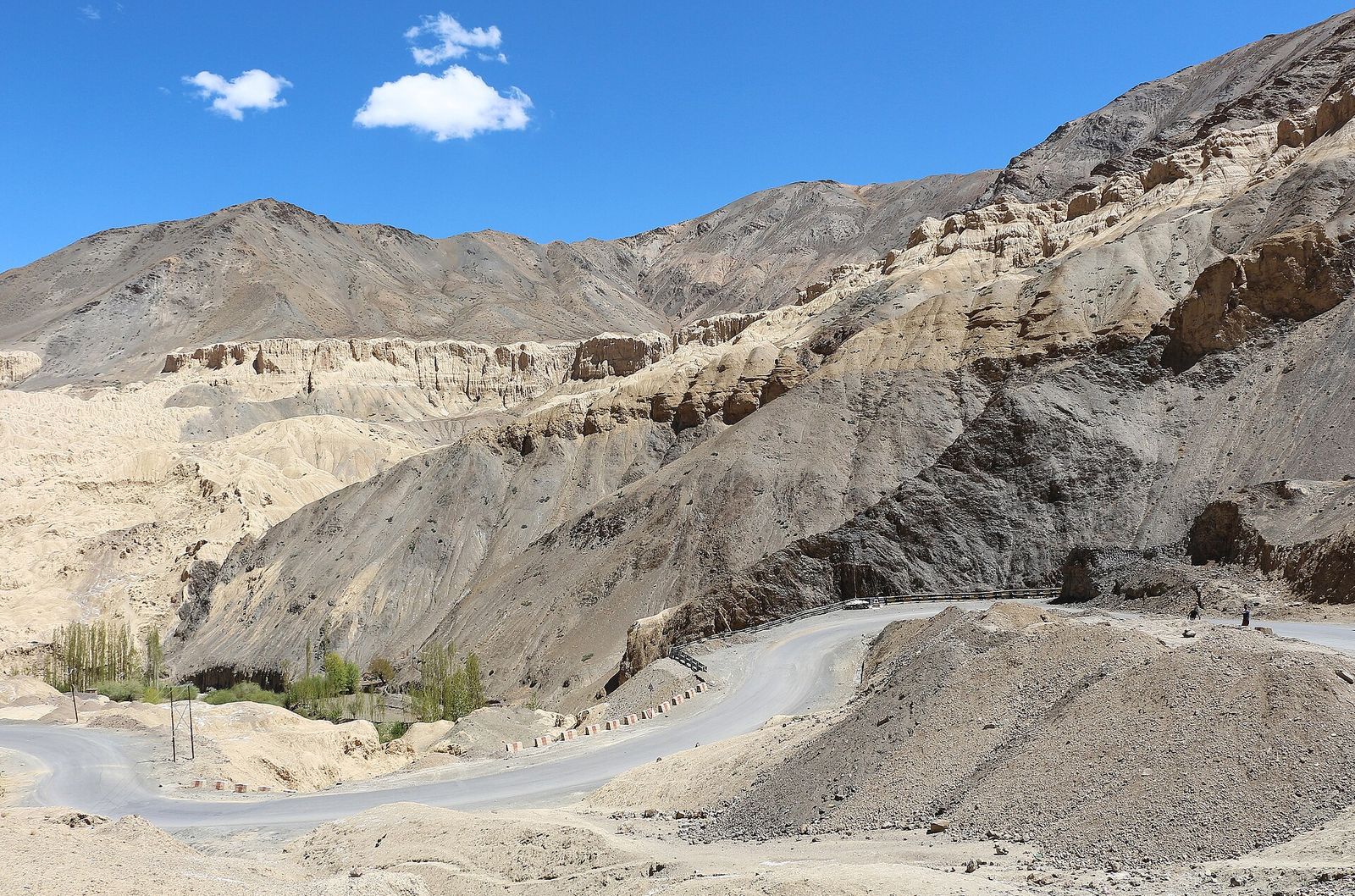
Many visitors dream of the road in. The Manali to Leh and Srinagar to Leh highways are seasonal, and their opening dates depend on how much snow has fallen and how quickly the Border Roads Organisation clears it. Treat any date you read in May as a forecast, not a promise, and keep a day or two spare. The Manali road crosses passes above 5,000 metres and tempts riders into sleeping at very high camps such as Sarchu, which is often cited as a place where altitude sickness strikes. If you do go overland, break the journey, for example at Keylong or Jispa, so that your body has a chance to catch up.
Ladakh is also living culture. The valley's monasteries, among them Thiksey, Hemis and Alchi, are active places of worship. The Hemis festival is held in the summer, with masked dances, and in 2026 the dates are expected around 24 and 25 June, set by the Tibetan lunar calendar. Dress modestly, walk clockwise around stupas and prayer walls, ask before photographing monks or worshippers, and do not touch ritual objects.
This is a cold desert, and water is precious. Carry a refillable bottle, avoid single-use plastic, and ask your hosts how they manage water before you take a long shower. Stay in homestays where you can: the Himalayan Homestay programme, described on our People & Places pages, has been spreading income to villages for more than twenty years.
Permits and rules change. Indian visitors need Inner Line Permits for several border areas, such as Nubra and Pangong, and foreign visitors need a Protected Area Permit. Environment and other fees apply in Leh district. Apply through the official Ladakh administration portal or an operator, check current security advisories, and carry printed copies of permits and ID.
Go late in the season if you can, go slowly always, and leave room for a day when nothing happens. In Ladakh, that is often the best day of the trip.
Prices, dates, permits and rules change — approximate, verify before you travel. Researched from public sources; field verification pending.
Planning a journey like this?
Tell us the season and your pace — we'll shape it into a private itinerary.
Talk to a travel designer