
Bali in June: the dry season, and the quieter coasts
A calendar correction first: Bali's rains are in the cooler months, and June is the start of high season. Here is how to enjoy it without the crush.
A correction before we begin. It is often written that Bali's green season is in the middle of the year, but Bali's wet season generally runs from about November to March, and June sits in the drier half of the year. That makes June a good time for beaches and outdoor activities, and the start of the busiest months, July and August. We have therefore written this guide for the island as it is in June: dry, bright and gaining crowds.
The first decision is where to stay. The south, around Kuta, Seminyak and Canggu, is the busiest. Ubud, in the centre, is popular for its arts, and the rice terraces north of it are a draw for day trips. Quieter alternatives include Sidemen in the east, Munduk and the lakes in the north, and the east and north-west coasts, where beaches are less crowded and the accommodation is smaller. Nusa Penida and other offshore islands are popular but need care with boats and weather.
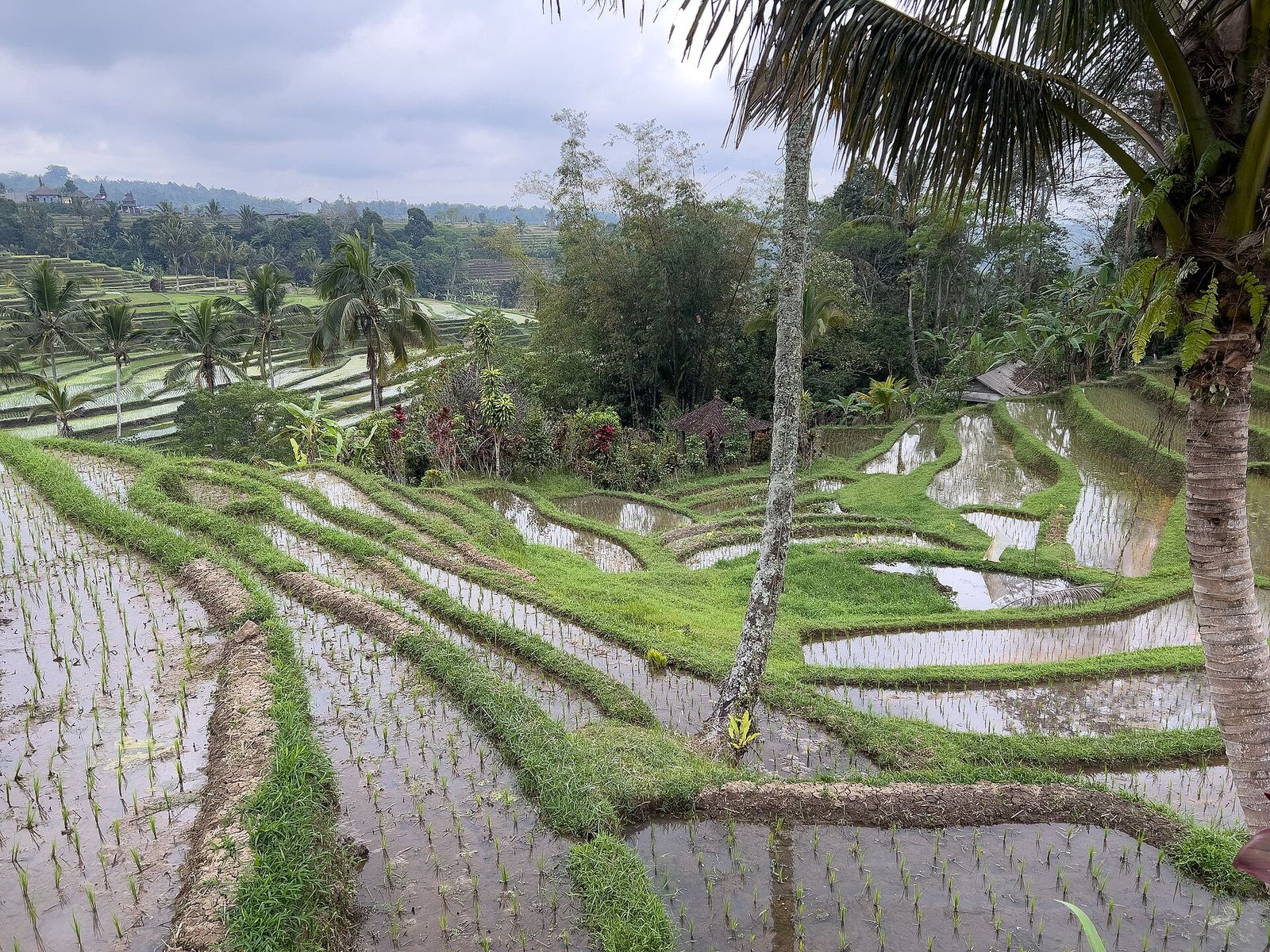
Bali's rice terraces are a living agricultural landscape, and one of them is on the World Heritage List. UNESCO inscribed the Cultural Landscape of Bali Province: the Subak System in July 2012, with five components including the Jatiluwih terraces and the water temples at Lake Batur. The subak is Bali's traditional system of farmers' water cooperatives, linked to water temples, and is described in our People & Places pages. Visit with a respect for the fields: stay on the paths and do not enter the paddies for photographs.
Entry rules matter. Indonesia's immigration site lists the visa options, and Indian passport holders should check the current visa-on-arrival or e-visa arrangements before travelling. Since 14 February 2024, foreign visitors to Bali have also been asked to pay a levy of IDR 150,000 per person, which the provincial government encourages visitors to pay online through its Love Bali system before departure. The official FAQ says it is paid once during a trip.
Temples are active places of worship. Wear a sarong and sash where asked, avoid pointing your feet at shrines, never step on offerings (small trays of flowers and rice on the ground) and ask before photographing ceremonies. If you plan to attend a ceremony, go with a local guide or host, and follow their lead.
How to go well: use licensed drivers and local guides, eat at family-run warungs, avoid single-use plastic, and be mindful that water is shared with farmers and temples. The island's income depends on tourism, but its character depends on the people who live and farm here.
Prices, dates, permits and rules change — approximate, verify before you travel. Researched from public sources; field verification pending.
Planning a journey like this?
Tell us the season and your pace — we'll shape it into a private itinerary.
Talk to a travel designer