
The Konkan and the Western Ghats, slowly, in the rains
A coast that closes its beaches for the monsoon, and a mountain range that does the opposite. How to enjoy both without fighting the weather.
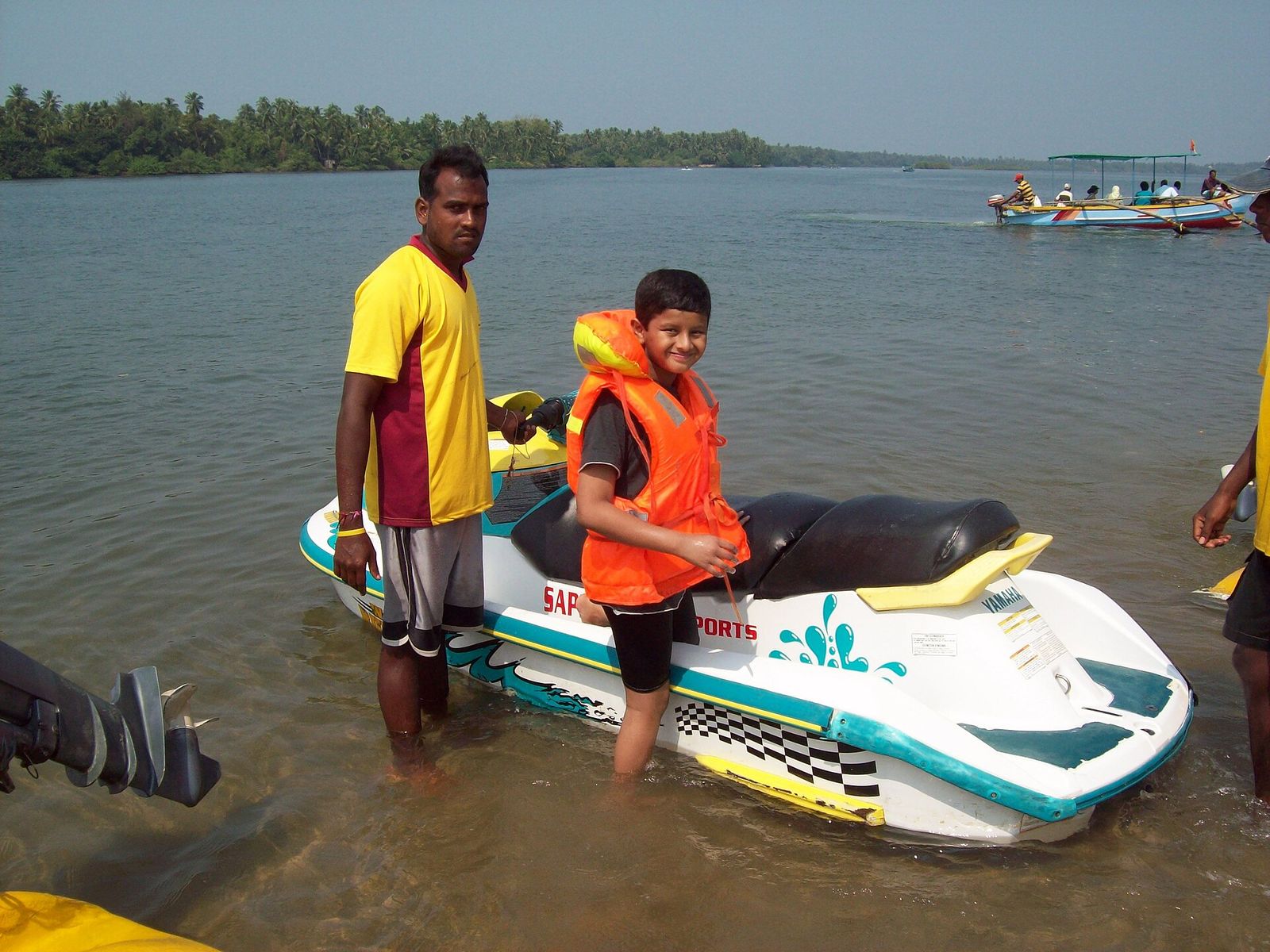
India's west coast changes character in June. The Konkan, the narrow coastal strip of Maharashtra, Goa and Karnataka, is hit first and hardest by the monsoon. Beaches in places such as Tarkarli and Malvan generally close to swimming and water sports, boat operators put up their anchors, and a seasonal ban on fishing applies on the west coast in the monsoon months, which usually runs from 1 June to 31 July. The coast is quieter and cheaper, but it is not a beach holiday.
The mountains behind it are a different story. The Western Ghats, which run along the whole west coast, were inscribed as a UNESCO World Heritage Site in 2012 for their biodiversity, and the monsoon is when they come alive: waterfalls appear on every ridge, forests turn deep green and mist hangs in the valleys. Maharashtra's Malshej Ghat and Amboli in Sindhudurg district are popular choices for waterfalls and cloud-watching, and the plateaus further east are known for their wildflowers later in the season, usually from late August.
The best way to see the region in the rains is slowly, and by train if possible. The Konkan Railway, which runs through the coast and the Ghats with many tunnels and bridges, is one of the more scenic rail journeys in India. It operates on a slower monsoon timetable during the rains, so check the current schedule and allow extra time.
Plan around the weather. Heavy rain can trigger landslides on ghat roads, and some viewpoints and trails are closed by forest and local authorities for safety. Treat closures as final. Travel in daylight, avoid waterfalls and river crossings when water is rising, and follow local advice rather than social-media trends. Many monsoon tragedies in the Western Ghats involve visitors who ignored warnings at popular waterfalls.
On the plate, expect the Konkan's coconut-based seafood curries, sol kadhi (a cooling kokum and coconut drink) and, in the rains, fresh bamboo shoots and seasonal vegetables. Fish is limited during the fishing ban, so ask what is local and what has been brought in. Vegetarian meals are widely available.
How to go well: stay in small, locally run homestays, which often welcome off-season guests warmly; buy from fishing and farming families; and leave the beaches to the sea, which is the point of the closure.
Prices, dates, permits and rules change — approximate, verify before you travel. Researched from public sources; field verification pending.
Planning a journey like this?
Tell us the season and your pace — we'll shape it into a private itinerary.
Talk to a travel designer