
The farmers who share Bali's water
A thousand-year-old system of farmers' cooperatives keeps Bali's terraces green, and it is under pressure.
Behind Bali's famous rice terraces lies a system of cooperation called the subak. It is Bali's traditional irrigation system, developed in the ninth century, which links terraced fields, canals, tunnels, weirs, forests and water temples across nearly 20,000 hectares, according to a summary of published research. A subak is a farmers' water cooperative, with its own name and leadership, and between 50 and 400 farmers may share one water source.
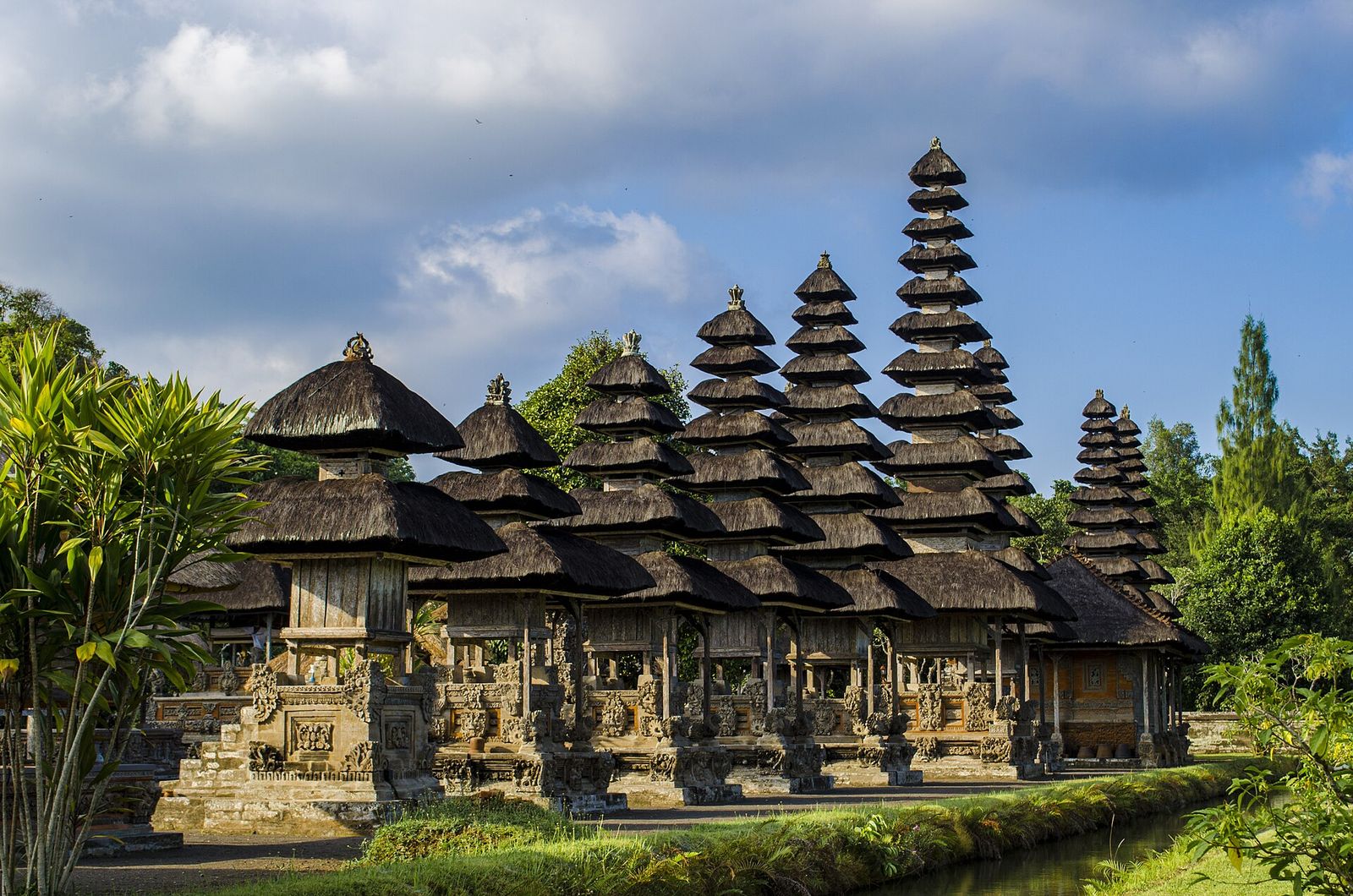
The system is not only technical. Farmers coordinate their planting so that fields lie fallow at the same time, which starves pests, and the schedule has to balance water sharing against pest control. Water-temple priests guide water management, and the philosophy behind it, Tri Hita Karana, describes a balance between people, nature and the divine. UNESCO listed the Cultural Landscape of Bali Province: the Subak System on 6 July 2012, with five components, including the Jatiluwih terraces, Lake Batur and the royal temple of Taman Ayun.
History offers a lesson. The same summary records that government programmes from 1967 pushed high-yield rice and pesticides, disrupting synchronised planting and leading to heavy losses to pests in the late 1970s. In 1988 the government changed course and the subaks regained control of planning.
The pressures today are real. Land conversion near Denpasar is reported to have reduced subak area sharply, from about 5,753 hectares in 1993 to about 2,444 hectares in 2018. Water diverted to tourism, falling groundwater and an ageing farmer population are other concerns.
For travellers, the practical lessons are modest. Walk on the paths, not in the paddies. Pay the entry fees where charged, because they help the farmers. Eat rice and vegetables from local farms where you can, and think about water: a hotel's pool and a villager's field draw from the same source.
This profile is a community portrait compiled from published summaries and UNESCO's listing, not from interviews; the subak figures come from different years.
Prices, dates, permits and rules change — approximate, verify before you travel. Researched from public sources; field verification pending.
Planning a journey like this?
Tell us the season and your pace — we'll shape it into a private itinerary.
Talk to a travel designer