
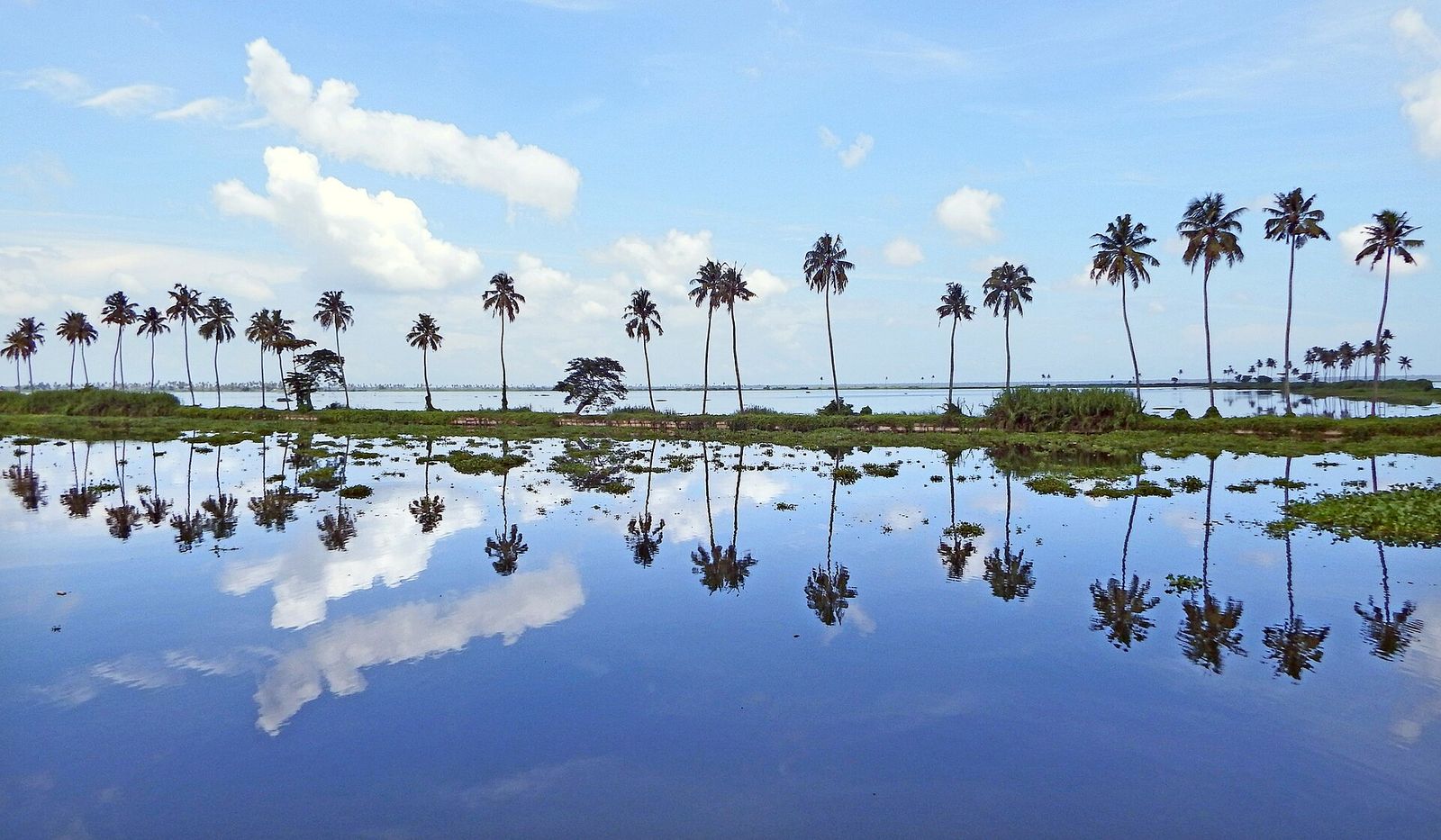
The women of Kumarakom: how a village supplies its own hotels
In a Kerala backwater village, women's self-help groups grow vegetables for the hotels on their doorstep.
Kumarakom, a village on Vembanad Lake in Kerala, has long been a stop for houseboat travellers and luxury resorts. Kerala Tourism's own description of its responsible-tourism model is a modest one: the aim is to channel tourism income to local residents by having them supply goods and services to the hotels.
At the heart of it are the women of Kudumbashree, the state's network of women's self-help groups. According to the Kerala Tourism page, the women began by growing vegetables, then organised into groups called Samrudhi to handle procurement, supply and delivery. Their fresh, organically grown vegetables reach about fifteen hotels in Kumarakom, including luxury properties, and demand is strong.
The system has rules. The village government, the Grama Panchayat, set up a price-fixing committee and a quality committee, and a technical agency called GITPAC International manages the competitive bidding. Farmers and other self-help groups were encouraged to supply fish, chicken, eggs and other farm produce as well, and some moved into related tourism work. Kudumbashree units have also expanded into paper bags, processed foods, local snacks, rice powder and handicrafts that are sold to visitors.
The point, in plain terms, is that a hotel's guests eat food grown a short distance away, and the money stays in the village. Kerala Tourism also describes village-life experience tours, short visits that bring guests into local homes and workplaces, though we have not been able to verify the details of how those are run or paid for, and they are best arranged through a registered operator or the local tourism society.
If you visit, ask your hotel where its vegetables and fish come from, choose village experiences organised with the community, and be punctual and respectful in people's homes. Come in the monsoon, when this part of Kerala is greenest.
Prices, dates, permits and rules change — approximate, verify before you travel. Researched from public sources; field verification pending.
Planning a journey like this?
Tell us the season and your pace — we'll shape it into a private itinerary.
Talk to a travel designer