
The monsoon is a season, not a problem: Kerala
The south-west monsoon reaches India through Kerala, usually in the first days of June. For travellers who plan for it, it is one of the most rewarding times to be there.
The south-west monsoon enters India through Kerala, and the India Meteorological Department treats the onset over the state as the official beginning of the season. The normal date is 1 June. This year the arrival has been slightly late: the department had forecast onset around 26 May, give or take four days, and a report on 26 May said it had passed that date, with onset now expected between 2 and 4 June. Dates shift from year to year, and a delay of a few days is not unusual.
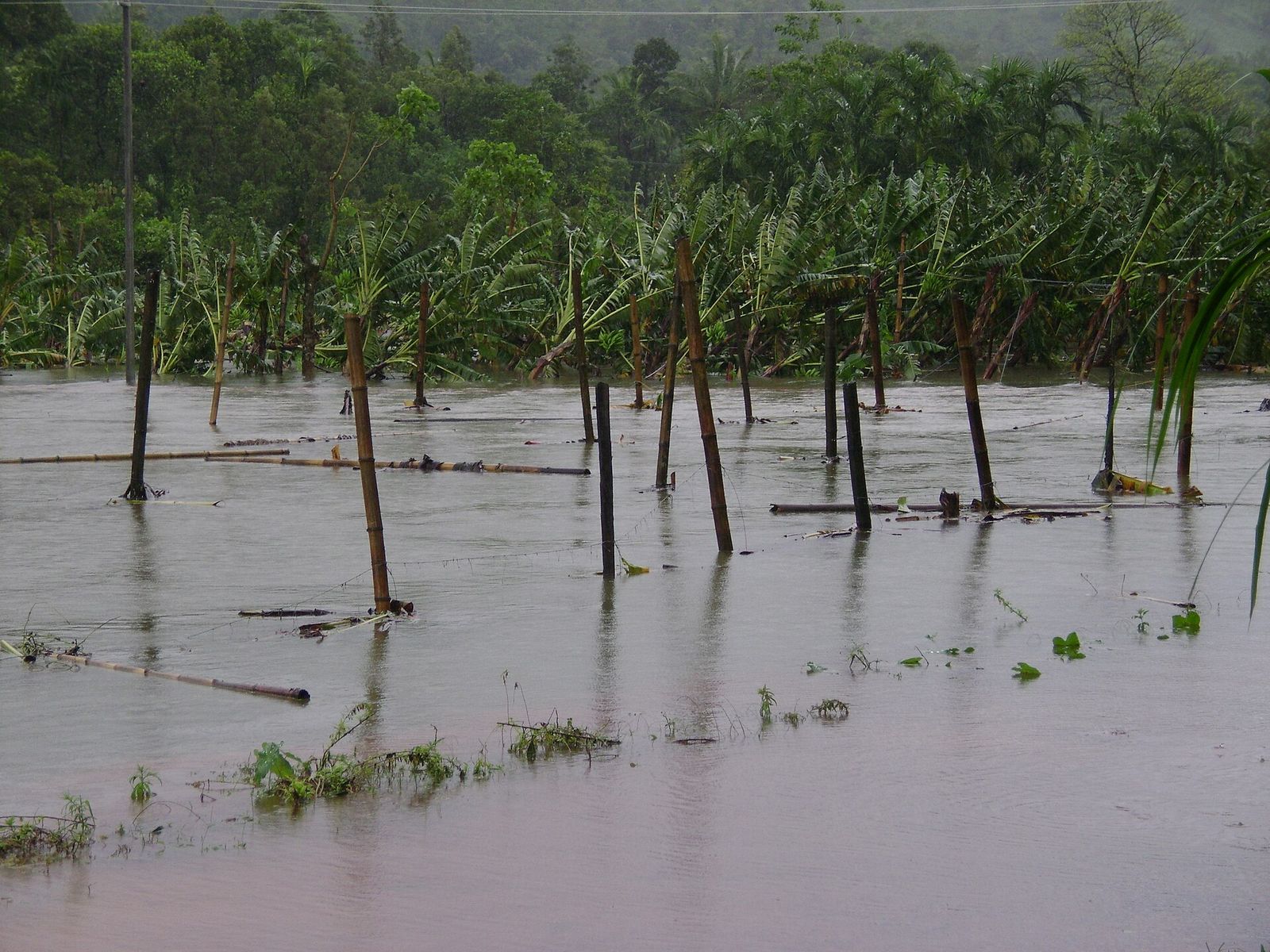
What the monsoon means on the ground is a change of pace. The rain is often heavy but rarely constant, arriving in strong showers that clear to a washed, green landscape. Kerala has a second, lighter rainy season in October and November, but it is the June–September rain that gives the state its reputation. Hotels and houseboat operators often lower their rates, roads and ferries are quieter, and the backwaters take on a different look under low cloud.
A good first stop is the backwaters of Alappuzha and Kumarakom. Houseboats and smaller country boats operate through much of the monsoon, but the operator's weather judgement decides each day: in heavy rain, strong wind or an official warning, boats should not sail, and a good operator will say so. Book with a company that has a flexible policy, and keep a day spare.
For many visitors, the monsoon is also the season for Ayurveda. Many centres promote the rainy months as a time for rejuvenation treatments, partly because the cooler, damper air is thought to suit them. Kerala Tourism runs a classification scheme for Ayurveda centres, with categories known as Olive Leaf and Green Leaf, which is worth checking before booking. Treatments are medical in nature, so consult your own doctor first and be honest with the centre about any health conditions.
The hills need more caution. Munnar, Wayanad and Thekkady are beautiful in the rain, but heavy rainfall can cause landslides on steep slopes, and the state's hill districts have suffered serious ones in recent years, including the Wayanad landslides of July 2024. Check district alerts from the India Meteorological Department and the Kerala State Disaster Management Authority before travelling, avoid hill roads after prolonged rain, and follow local instructions, even when they seem over-cautious.
Packing is straightforward: a light, breathable rain jacket (umbrellas are useful in towns), quick-drying clothes, sandals that grip, a waterproof bag for phone and documents, and, if you walk in forests, leech socks. Travel insurance that covers weather disruption is worth the small extra cost.
A word on food, because the rains change the table. Kerala's kitchens lean on coconut, rice, tapioca and fish, and in the wet months you will find hot, simple dishes served with strong tea: banana fritters, steamed rice cakes, fish curry with kudampuli (a sour fruit used in place of tamarind). Fresh seafood is limited when boats stay in harbour, and a seasonal fishing ban applies along the west coast, so ask what is local before ordering.
A final planning idea is to travel in stages. Spend two or three nights on the water or in a village, then move to a hill or coastal base, so that bad weather in one place does not cancel the whole trip. Leave one day in the middle with nothing booked. The monsoon rewards the traveller who is willing to stay put when the sky closes and to walk out when it opens.
The best reason to come in the monsoon is the people you meet. Kerala's villages are used to guests in all weathers, and one of the best examples is in Kumarakom, where local women's groups supply the hotels and run village experiences. Their story is told in our People & Places pages. Come in the rain, travel slowly, and let the schedule bend.
Prices, dates, permits and rules change — approximate, verify before you travel. Researched from public sources; field verification pending.
Planning a journey like this?
Tell us the season and your pace — we'll shape it into a private itinerary.
Talk to a travel designer