
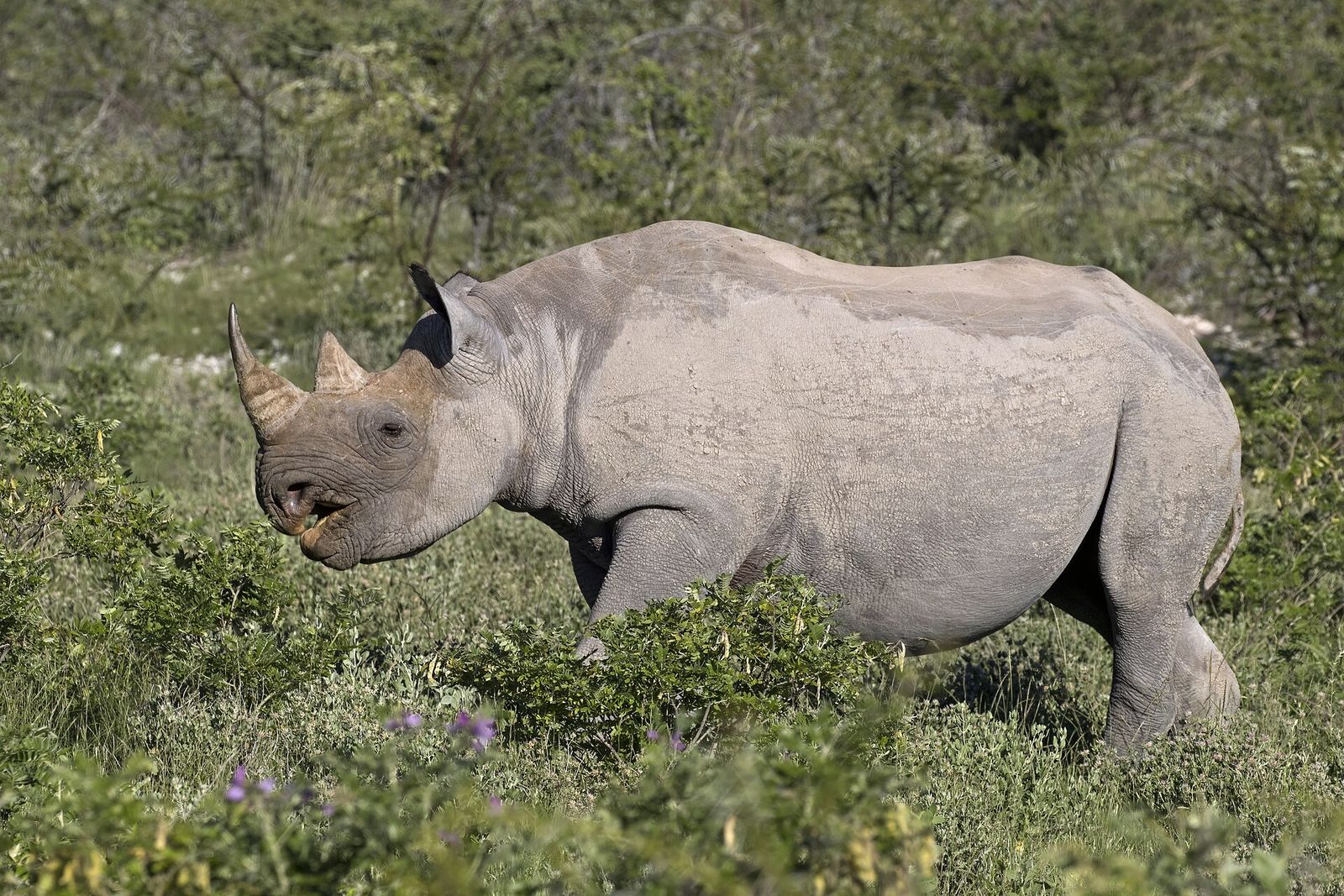
The trackers who keep Namibia's desert rhinos alive
In the north-west of Namibia, local trackers and rangers patrol a vast desert. The community says the rhinos pay them back.
In the town of Palmwag, in north-west Namibia, the headquarters of the Save the Rhino Trust sits in some of the most remote rhino country in Africa. The Christian Science Monitor visited the town in January 2024 and describes a conservation effort built on local people.
Trackers and community rangers patrol about 25,000 square kilometres, day and night, identifying individual rhinos by their behaviour, roaming patterns and features such as birthmarks, and logging every sighting. The trust was founded in 1982, when about 50 black rhinos roamed the area. Namibia is now home to almost 35 per cent of the world's remaining black rhinos, according to the report.
The trust's principal field officer, Sebulon Hoeb, explained the logic in a line the paper quotes: “Most of us understand that the rhino pays us.” Tourism provides the income. Rhino-tracking tours, lodges and guiding give communities a stake in the animals, and a half-day tour costs about 150 US dollars at the time of the report. The community had not lost a rhino to poachers in three years, even as poaching rose elsewhere in the country.
The report names others who are part of the story, including tracker Ebson Mbunguha, and the trust's chief executive Simson Uri-Khob, who has spent his career working to protect the species. It sets the work in the context of Namibia's community conservancies, introduced after independence in 1990, which now number 86 and cover more than a fifth of the country.
The picture is not simple. The same report says poaching rose 93 per cent nationally in the year before it was written, mostly in Etosha National Park. The lesson for visitors is to choose operators who share revenue with the community and the trust, and to follow trackers' instructions about distance and silence.
We have not spoken to anyone in this story, and figures reflect the January 2024 report.
Prices, dates, permits and rules change — approximate, verify before you travel. Researched from public sources; field verification pending.
Planning a journey like this?
Tell us the season and your pace — we'll shape it into a private itinerary.
Talk to a travel designer