Twenty-six birds and a coconut plantation
How a tiny Seychelles island, bought to save one bird, became a model for conservation.
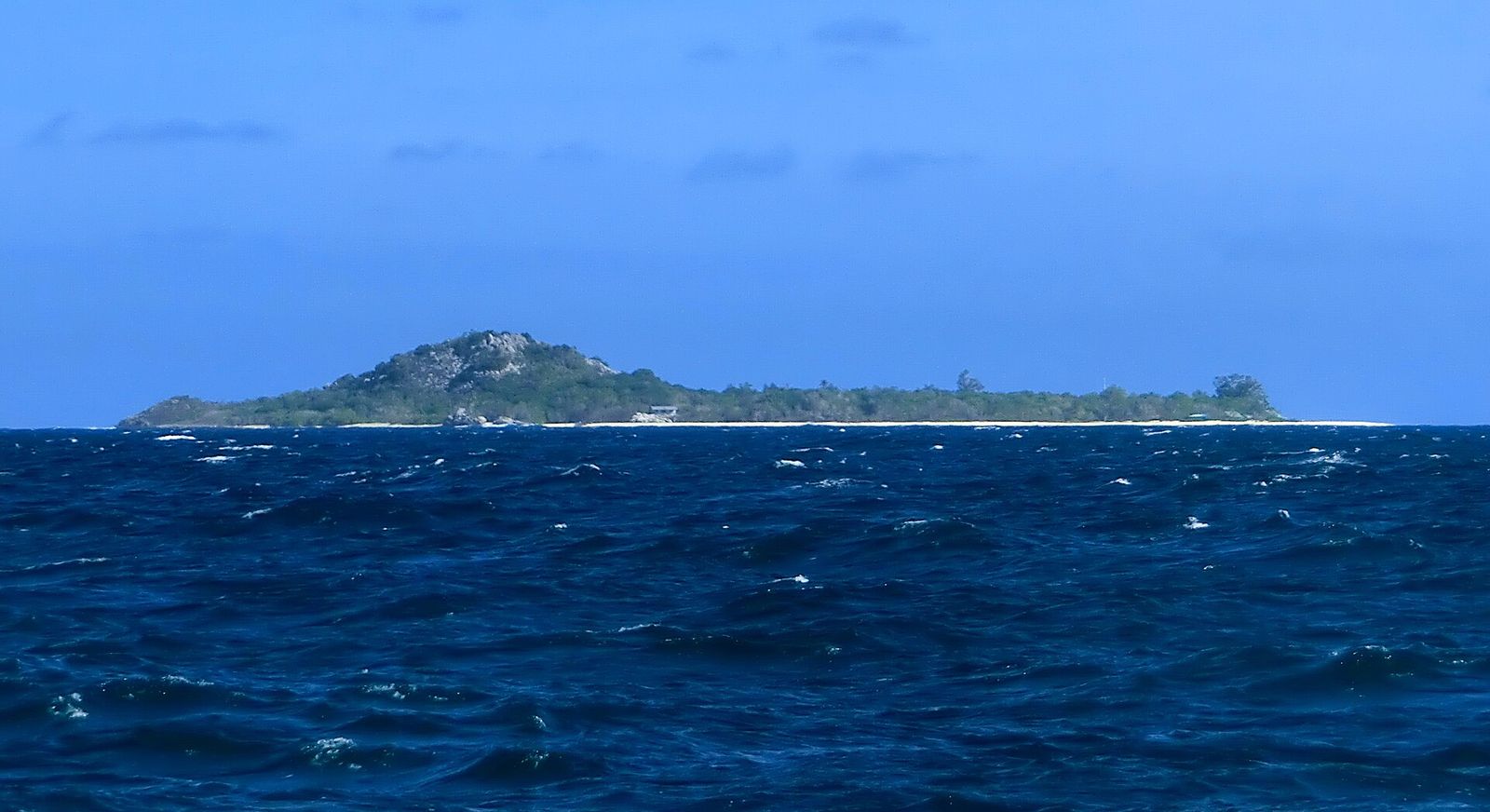
Cousin Island is small, about 0.3 square kilometres, and a few decades ago was largely a coconut plantation. In 1968, according to Nature Seychelles, the island was bought by what is now BirdLife International to save the Seychelles warbler. When it was acquired, only 26 of these Critically Endangered birds remained.
The method was patient rather than dramatic. Coconut palms were cut back and native vegetation was allowed to regrow. By 1982 the island had reached its maximum population of 320 birds, and the project became a model for other work in the country. The Seychelles government declared the island a special reserve in 1975 according to a separate source, and Nature Seychelles has managed it since 1998.
Visitors have been welcome since 1972, when ecotourism began on the island, and the organisation says about 10,000 people come each year. In September 2010 it became what the organisation calls the world's first carbon-neutral nature reserve. Nature Seychelles chief executive Nirmal Shah, in a 2012 piece, says of the early days that the partnership “was built from scratch.”
The lesson for travellers is the visiting rules, not the number of birds. Go with the authorised arrangements, keep to paths, and leave nothing behind. Check Nature Seychelles for opening days and fees; the page we read did not list them.
Prices, dates, permits and rules change — approximate, verify before you travel. Researched from public sources; field verification pending.
Planning a journey like this?
Tell us the season and your pace — we'll shape it into a private itinerary.
Talk to a travel designer