
A village that rebuilt its houses by hand
High in the mountains of Flores, the people of Wae Rebo won UNESCO recognition for restoring their conical houses together.
Wae Rebo is a small village in the Manggarai area of Flores, Indonesia, about 1,100 metres above sea level. It sits among mountains and dense forest and is reached by a trek of about three to four hours from the village of Denge. There is no mobile signal and electricity is available only in the evening, from 6 to 10 pm, according to Indonesia's official tourism site.
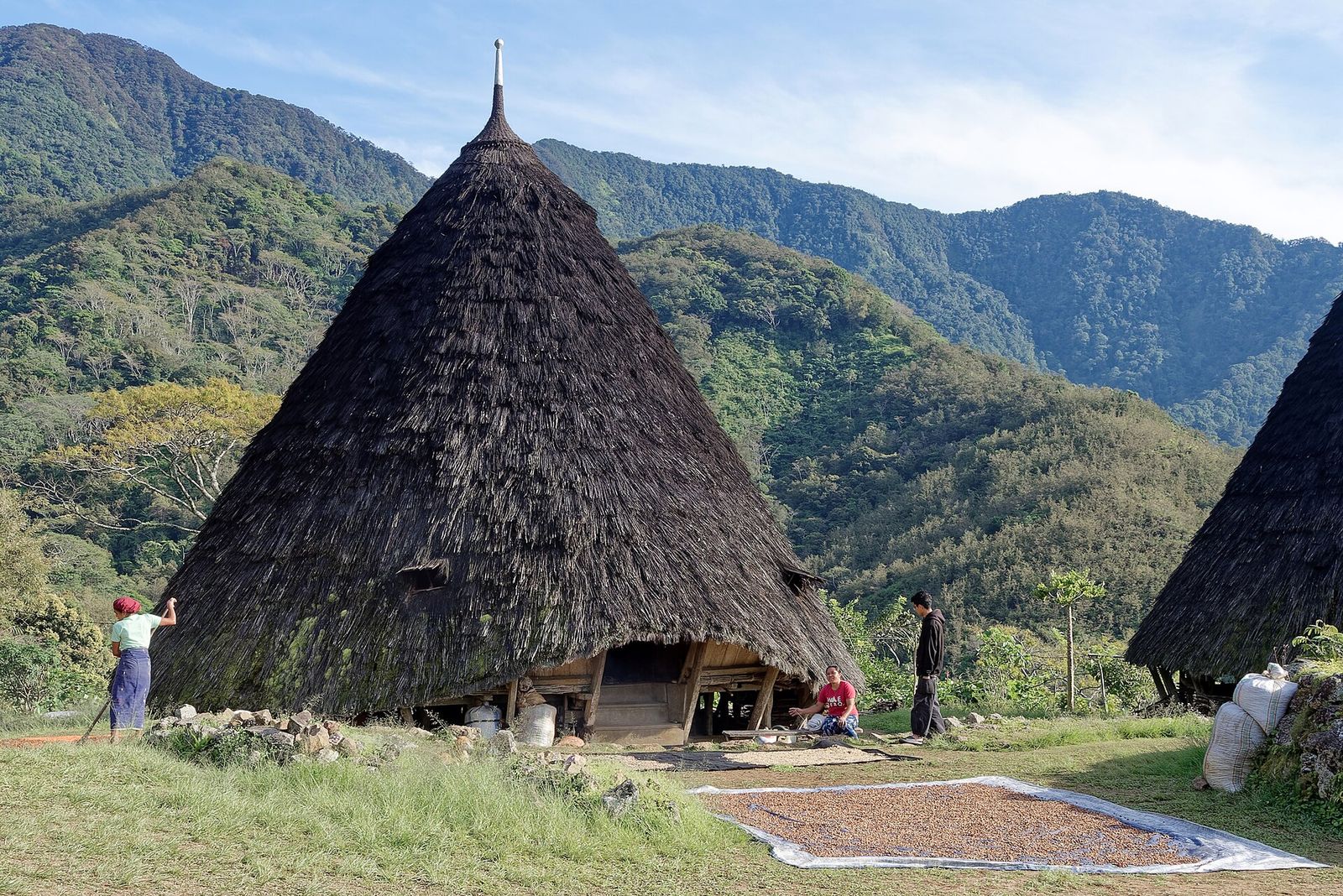
The village is known for its Mbaru Niang: tall, cone-shaped houses thatched with lontar palm from the roof to the ground. Each has five levels with set purposes, from family living space at the base to storage for food and seed to a top level for offerings to the ancestors. Indonesia's tourism ministry says the village has around 1,200 residents living in seven houses. Its founder, Empu Maro, built it about a century ago, and today's residents are described as his descendants of the eighteenth generation.
In 2012, Wae Rebo received the top Award of Excellence in the UNESCO Asia-Pacific Heritage Awards, announced in Bangkok on 27 August. The award recognised the community-led rebuilding of the houses and the way it improved village welfare. A Burung Indonesia account adds that the work involved villagers and volunteers, along with hospitality and English training for local guides, especially women.
If you go, go as a guest. Arrange the visit through a licensed guide, carry cash, bring a warm layer for the cold evenings, and ask before photographing people or the interiors of houses. Villagers are hosts, but the houses are family homes.
Prices, dates, permits and rules change — approximate, verify before you travel. Researched from public sources; field verification pending.
Planning a journey like this?
Tell us the season and your pace — we'll shape it into a private itinerary.
Talk to a travel designer