
Listening to fishers: the researcher who built a dugong watch
In the Andamans, a marine researcher and a growing circle of fishers and divers are tracking an animal most people confuse with a dolphin.
Swapnali Gole is a marine researcher and PhD scholar with the Wildlife Institute of India, working on dugongs and seagrass in the Andaman and Nicobar Islands. She has worked on dugongs since 2016, and in two pieces she wrote for Nature inFocus and Sanctuary Asia, she describes how the work began with talking to the people who spend most time at sea.
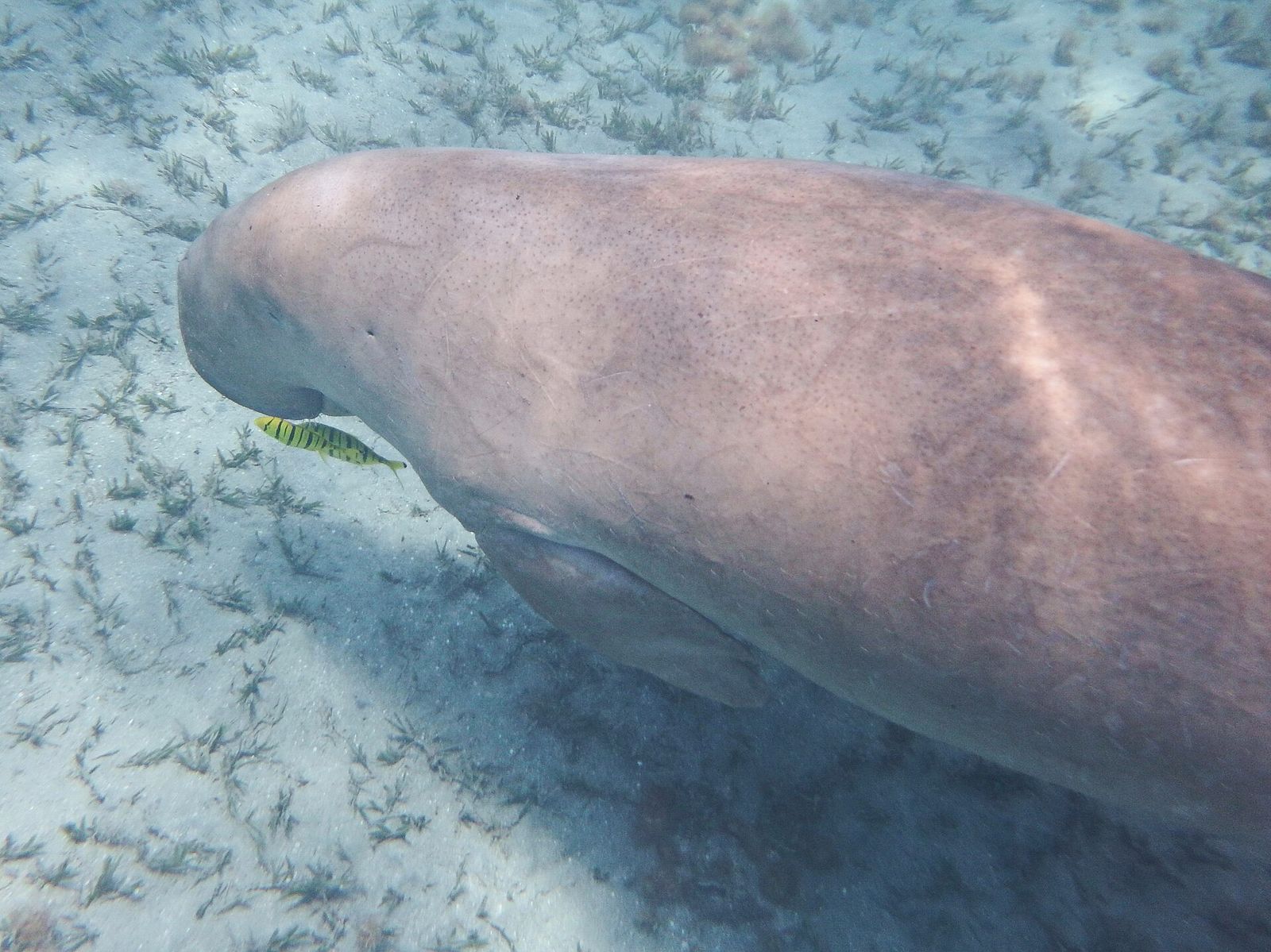
In 2020, she recounted conversations with fishers, including Ram Majhi, then 63, a third-generation settler of Havelock, who began fishing at 12. He described how trawlers from Port Blair threaten the small boats' catch. In her Sanctuary Asia account, she writes of a January 2021 dive at Shaheed Dweep, where a divemaster alerted her to a three-metre dugong the team had named Neil, after the island.
The monitoring programme began with a few informants and now has more than 200 members from fishing communities, schools, the forest department, the dive trade, marine police, the navy and the coast guard. Aerial sightings from patrols have helped show where dugongs live, and recreational divers have helped identify individual animals by marks on their bodies. Three individuals have been photo-identified in Shaheed Dweep.
The article is honest about the hard parts. A first workshop in Wandoor in 2018 drew two fishers when about 20 had been expected, one of them Sukumar Mondal. A later meeting had no one at all. Fishers argue, she reports, that protected areas shrink their grounds while illegal fishing inside them goes unpunished. Her conclusion is that local communities are key decision-makers.
For travellers: dugongs live only where seagrass grows, and fast boats and jet skis threaten them. Choose operators that go slowly in shallow seagrass areas, and report sightings responsibly to local conservation groups rather than posting locations.
Prices, dates, permits and rules change — approximate, verify before you travel. Researched from public sources; field verification pending.
Planning a journey like this?
Tell us the season and your pace — we'll shape it into a private itinerary.
Talk to a travel designer