
Tripura: a palace on a lake and a hillside of stone gods
Agartala's royal buildings, a water palace reached by boat, and the carvings of Unakoti, a site now on India's UNESCO tentative list.
Tripura is the small state that sits almost entirely inside Bangladesh's embrace, and it is easy to skip. That is a shame, because its royal history and its archaeology are as rich as better-known parts of the Northeast, and visitors are fewer. A sensible first journey takes in three places: the capital, Agartala; the lake palace at Melaghar; and the rock-cut carvings at Unakoti.
In Agartala, Ujjayanta Palace is the landmark. It was the royal residence of the Manikya rulers and now houses the Tripura State Museum. Sources differ on the exact year of construction, with one placing it in 1901, so we do not quote a date here. Opening hours and any entry arrangements should be confirmed locally; one listing gives 10 am to 5 pm, but it is a secondary source. The Tripura Sundari Temple and Bhubaneswari Temple are nearby day trips, according to the official Incredible India itinerary.
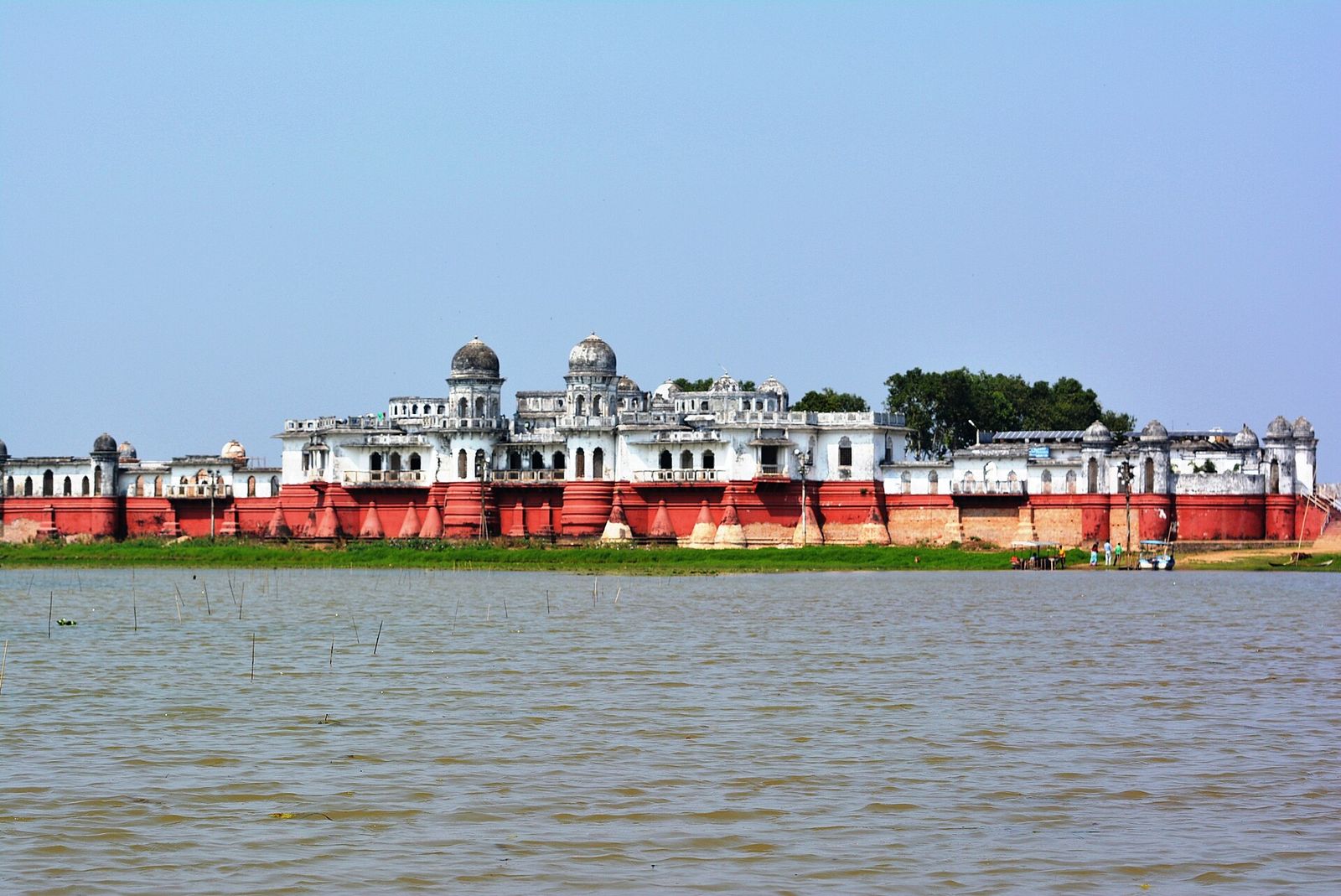
Neermahal, the Water Palace, stands in the middle of Rudrasagar Lake at Melaghar, about 53 km from Agartala. It was commissioned by Maharaja Bir Bikram Kishore Manikya, with a British firm, Martin and Burns, as main contractor, and you reach it by boat. Sources disagree on the construction dates: one puts them at 1930 to 1938, another at 1921, so treat any single year with care. A Neermahal Water Festival with boat races is held here each year; check Tripura Tourism for the dates.
Unakoti, in the north of the state about 178 km from Agartala, is the surprise. The name means roughly “one crore less one”, and the legend explains the number. On the hillside, huge reliefs of Shiva and other deities are carved into the rock or modelled in relief. The central head, known as Unakotiswara Kal Bhairava, is about 30 feet high, including a headdress of about ten feet. Large figures of Ganesha and half-buried Nandi bulls complete the scene. Stylistic studies date the carvings to about the seventh to ninth centuries CE, before the Manikya rulers. The Archaeological Survey of India looks after the site, and India submitted it to UNESCO's tentative list in December 2022. A tentative listing is a first step, not a World Heritage inscription.
A Hindu fair, the Ashokastami Mela, draws large crowds in April, and a smaller gathering takes place in January. If you want a quieter visit, go outside those dates.
How to go well: Tripura is monsoon country in July, so plan for rain and slow roads, carry a rain layer, and build a spare day into any journey north. Travel with a local driver who knows the route, and confirm access and any permits for foreign visitors with the state tourism office before you leave.
Prices, dates, permits and rules change — approximate, verify before you travel. Researched from public sources; field verification pending.
Planning a journey like this?
Tell us the season and your pace — we'll shape it into a private itinerary.
Talk to a travel designer