
Heritage Without Borders: Olduvai Gorge
A 48-km ravine in the Tanzanian plains where early human ancestors were found.
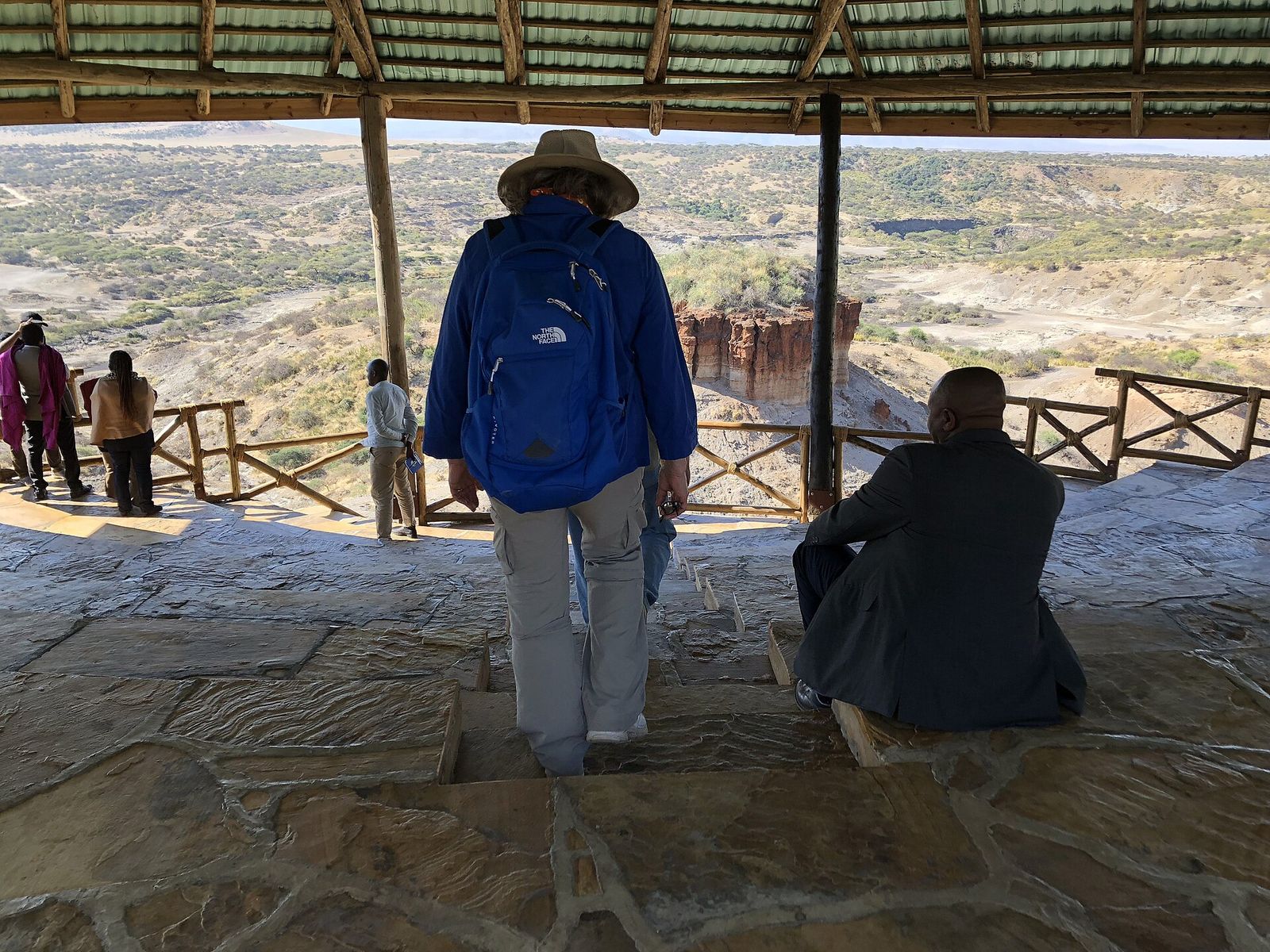
Olduvai Gorge, in northern Tanzania, lies in the eastern Serengeti plains within the Ngorongoro Conservation Area. It is about 48 km long. In July 1959, Mary Leakey found the skull of an early hominin at the FLK site, then named Zinjanthropus and now commonly placed in Paranthropus boisei; in May 1960, Jonathan Leakey found a jaw that became the type specimen for Homo habilis. The gorge preserves layers dated to nearly 1.9 million years ago, and the Olduvai Gorge Museum on the rim is described as one of the largest on-site museums in Africa.
Visiting it is a good complement to a Serengeti safari. Read the displays and, if you can, hire a local guide. Like any heritage site, it is not a backdrop: stay on paths, leave stones and fossils where they are, and treat the interpretations as living science, which changes with new finds.
Prices, dates, permits and rules change — approximate, verify before you travel. Researched from public sources; field verification pending.
Planning a journey like this?
Tell us the season and your pace — we'll shape it into a private itinerary.
Talk to a travel designer