
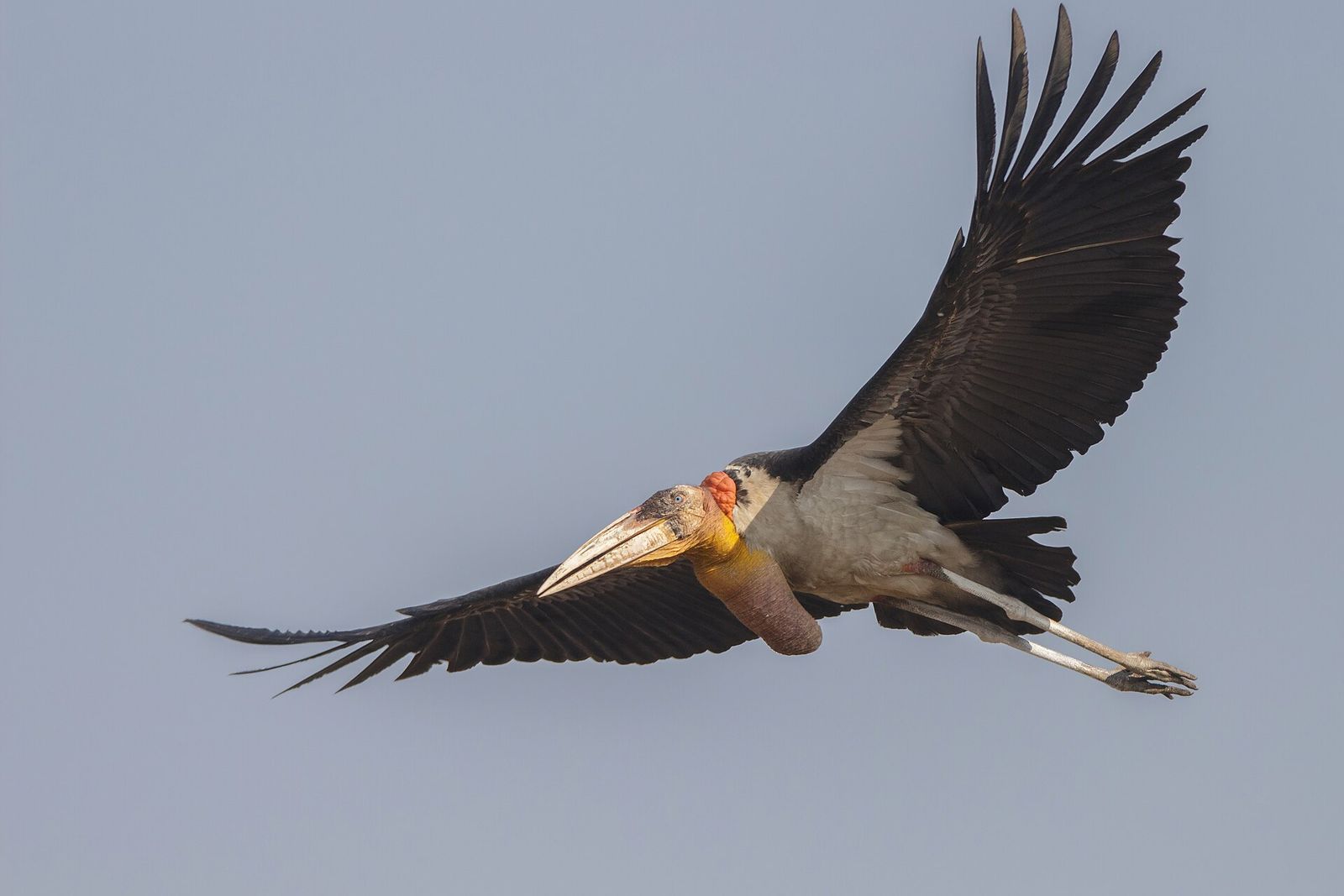
The Hargila Army: how a biologist in Assam turned neighbours into stork guardians
A wildlife biologist and thousands of village women are protecting the world's rarest stork nests.
The greater adjutant stork, known in Assamese as hargila, is the second-rarest stork species in the world. Fewer than 1,200 mature birds were estimated to remain in 2022, according to the United Nations Environment Programme, which is less than one per cent of what existed a century ago.
In Assam's Kamrup district, the birds nest in village trees. Wildlife biologist Dr Purnima Devi Barman began working with villagers there, and in 2007 she established the Hargila Army, an all-women conservation team. UNEP reports that it now includes more than 10,000 women, who protect nesting sites, rehabilitate injured storks that have fallen from their nests and hold baby showers to celebrate the arrival of chicks.
In 2022, Barman received the UN's Champions of the Earth award in the Entrepreneurial Vision category, announced in Nairobi in November that year. UNEP's executive director Inger Andersen praised her work for empowering thousands of women, creating entrepreneurs and bringing the bird back from the brink. Barman has also received India's Nari Shakti Puraskar in 2017. Reporting says that since her programme began, Kamrup has become home to the largest breeding colony of greater adjutant storks in the world.
The lesson is the method: instead of treating villagers as a threat to the bird, the programme made them its guardians and gave them income and recognition. If you visit, go with a local guide, keep your distance from nesting trees, and buy from the women's cooperative if one is offered.
Prices, dates, permits and rules change — approximate, verify before you travel. Researched from public sources; field verification pending.
Planning a journey like this?
Tell us the season and your pace — we'll shape it into a private itinerary.
Talk to a travel designer