
On foot and unarmed: the women rangers of Amboseli
Team Lioness, an all-women unit of Maasai community rangers, patrols the land around Kenya's Amboseli National Park.
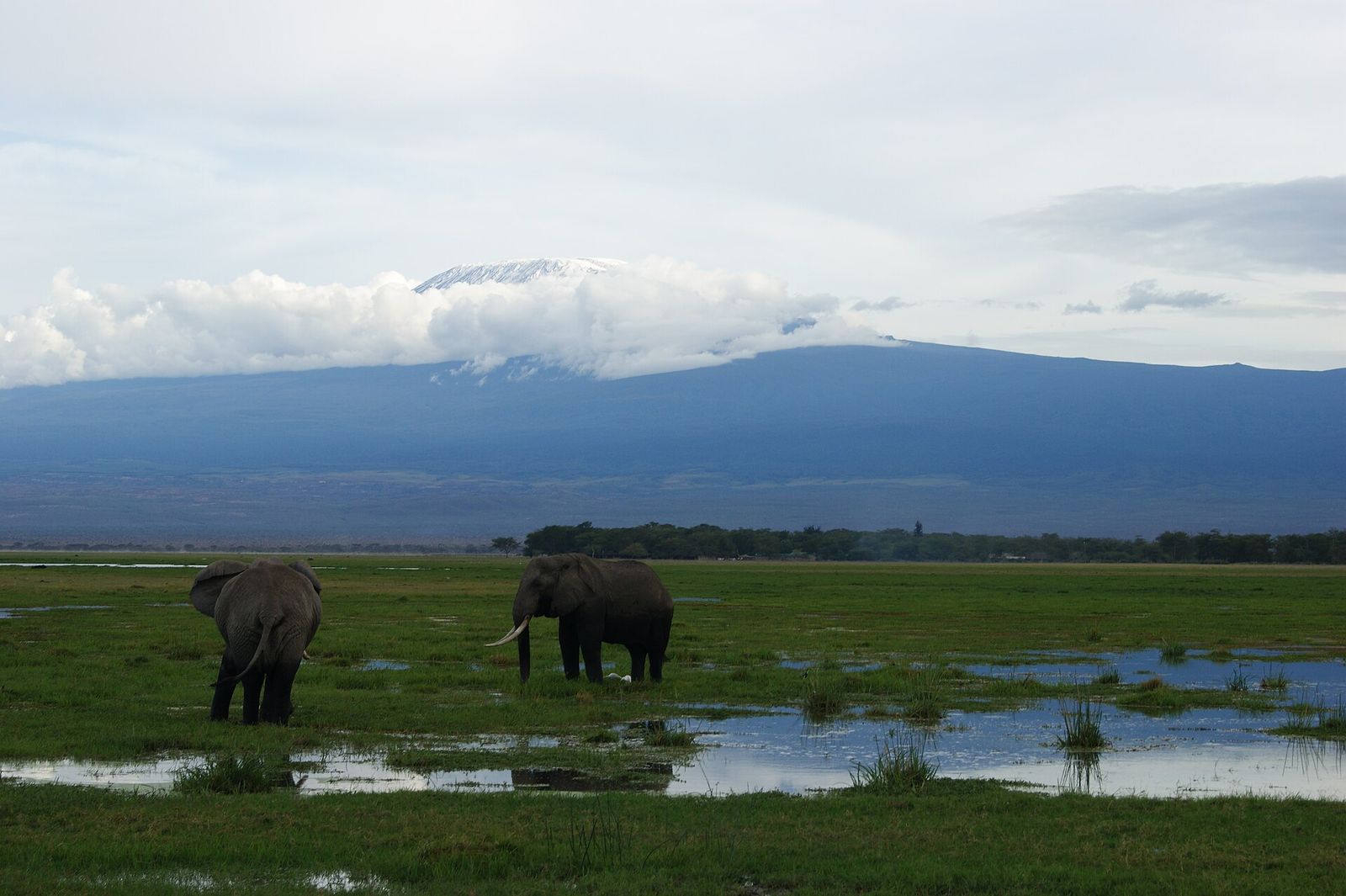
In Kenya's Amboseli region, at the foot of Mount Kilimanjaro, a group of Maasai women is changing what it means to be a wildlife ranger. Team Lioness, an all-women ranger unit, was described in an Associated Press report in August 2020 as eight Maasai women among 76 community-based rangers who patrol a 363,000-acre area around Amboseli National Park.
The women work on foot and unarmed, with armed government park rangers as backup. Their tasks include watching for poachers, collecting data and gathering intelligence. Patrick Papatiti, head of the community rangers for the Olgulului-Ololarashi group ranch, told the AP they were the best data-collection unit because all had high-school educations, and that the team had exceeded expectations. One ranger, Purity Amleset, then 24, described how the community initially doubted that women could do the work.
The AP report places the story in a hard period. The pandemic had halted tourism, which many local Maasai rely on for income, and some people turned to bushmeat poaching. Fourteen giraffes had been killed that year, according to the report. The rangers were also confined to camp for months.
The International Fund for Animal Welfare, which supports the programme, states that the team has since grown to 17 and was founded in 2019; as IFAW is a partner, its materials are not independent. For visitors the point is the link between tourism and conservation: when people stop travelling, local protection can collapse. If you go to Amboseli, stay at conservancy-linked camps and ask how your fees reach the community.
Prices, dates, permits and rules change — approximate, verify before you travel. Researched from public sources; field verification pending.
Planning a journey like this?
Tell us the season and your pace — we'll shape it into a private itinerary.
Talk to a travel designer