
Greece beyond the islands: Delphi and Meteora
An oracle on a mountain slope and monasteries on rock pillars: two UNESCO sites on the mainland.
Most visitors to Greece in September head for the islands. A mainland route offers a different sense of the ancient world. Delphi, on the slope of Mount Parnassus, was the seat of the oracle of Apollo, where the priestess, the Pythia, delivered prophecies from a tripod in the inner sanctum. The visible ruins of the Temple of Apollo date from the fourth century BCE. A processional route, the Sacred Way, climbs past treasuries to the temple, and the circular Tholos at the sanctuary of Athena Pronaia was built between 380 and 360 BCE. Delphi was inscribed by UNESCO in 1987, and its museum houses the Charioteer of Delphi.
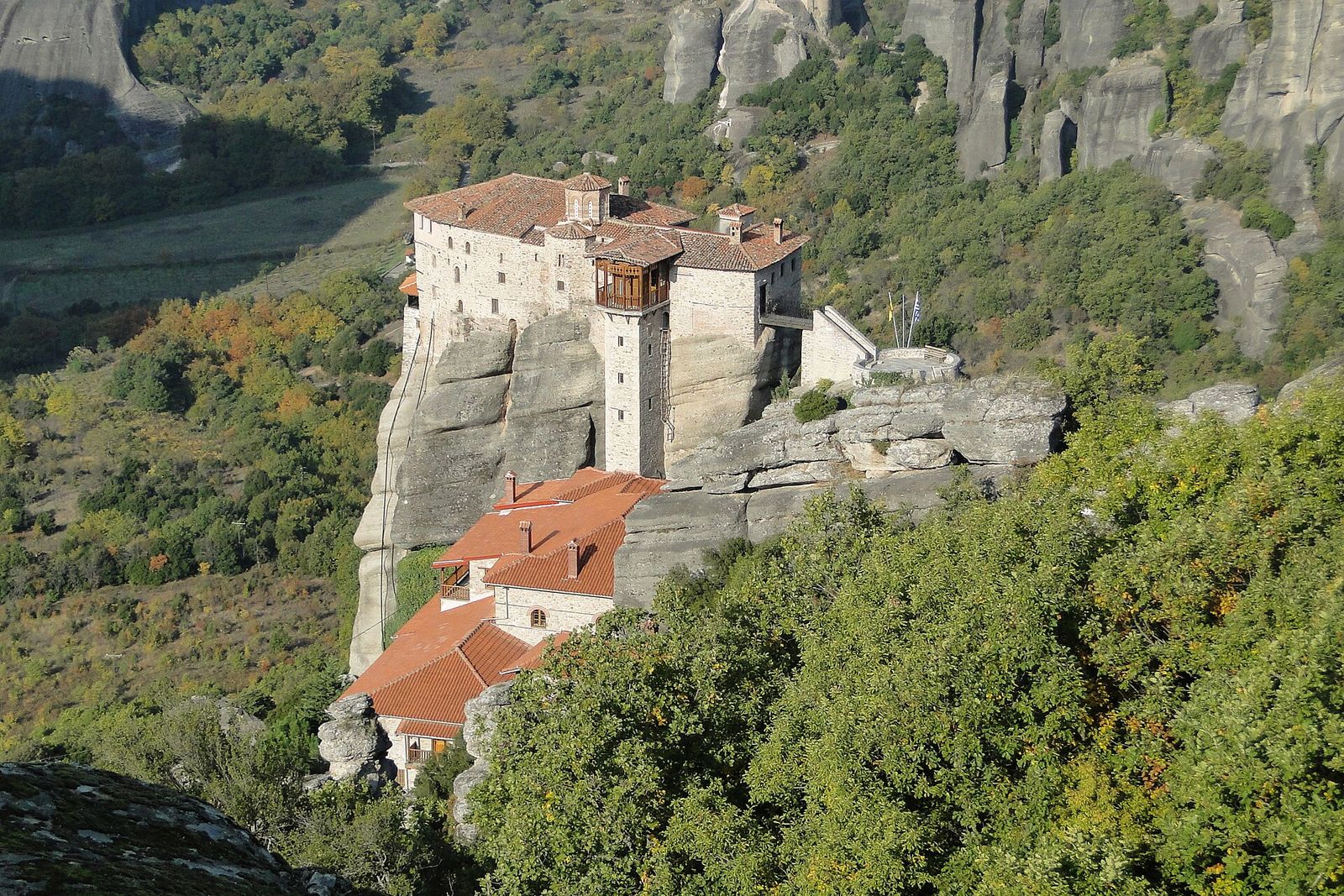
Meteora, in Thessaly, is something else. Six monasteries survive on sandstone pillars between the town of Kalabaka and the village of Kastraki, though only four are still active: Great Meteoron, Varlaam, Holy Trinity and St Stephen, which became a convent in 1961. Most were founded in the second half of the fourteenth century, and the Great Meteoron dates to 1356. UNESCO listed the complex in 1988.
Plan for the monasteries to be closed on particular days and to require modest dress; check each monastery's current hours, which we could not confirm. Travel in September is easier than in July and August, when heat and crowds peak. Greece is in the Schengen area, so the European Entry/Exit System applies to many non-EU visitors, and ETIAS is planned for the last quarter of 2026.
How to go well: take your time, wear sturdy shoes, and treat Meteora as living religious communities, not a viewpoint.
Prices, dates, permits and rules change — approximate, verify before you travel. Researched from public sources; field verification pending.
Planning a journey like this?
Tell us the season and your pace — we'll shape it into a private itinerary.
Talk to a travel designer