
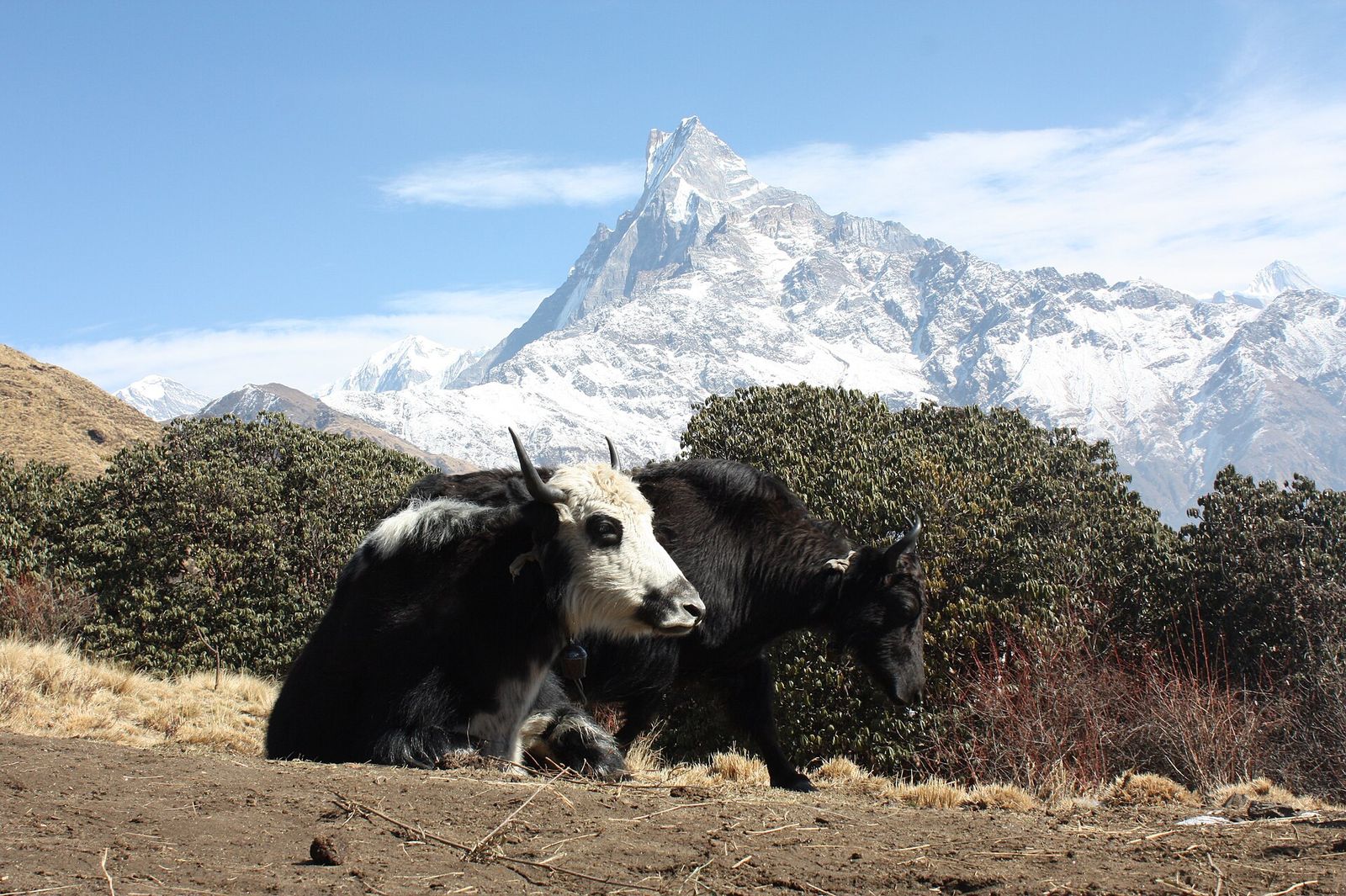
Nepal beyond Everest and Annapurna
Quieter Himalayan trails, shorter routes and an honest look at what trekkers should check before they fly.
Nepal's best-known treks, Everest Base Camp and the Annapurna Circuit, are loved for good reason. They are also busy, particularly in the spring and autumn windows. For a trip that is shorter, less crowded and more manageable at altitude, Nepal has a number of other options.
In the Annapurna region, the Mardi Himal and Poon Hill treks are shorter routes that offer big views in a few days. Langtang, north of Kathmandu, is a valley trek within Langtang National Park that can be done in about a week. Further afield, the Manaslu circuit and Upper Mustang are restricted areas that require special permits arranged through a registered agency, and are normally done in organised groups.
Spring, roughly March to May, is one of the two main trekking seasons, the other being autumn. It is also the season when rhododendrons, Nepal's national flower, bloom on the lower trails, and the mid-April Nepali New Year, when the Bikram Sambat calendar moves to 2083, falls inside it. Pre-monsoon haze can reduce distant views, and by late May humidity and afternoon cloud build up. The monsoon, from about June to September, makes many trails wet and leech-ridden.
Rules matter and they change. Reports from Nepali trekking agencies differ on whether the TIMS card, a trekker registration, remains compulsory in every region, and fees are revised periodically, often at the start of the fiscal year in July. The Annapurna Conservation Area permit and the Langtang National Park entry permit are commonly described as mandatory. Some sources say solo trekking by foreigners on certain routes is no longer permitted. For up-to-date information, consult the Nepal Tourism Board or a registered trekking agency.
Indian citizens do not need a visa to enter Nepal, but must carry valid photo identification such as a passport or voter ID. Other nationalities should check Nepal's Department of Immigration. Whatever your passport, buy travel insurance that covers trekking at altitude and helicopter evacuation.
A last point on how to go well. Hire local guides and porters, ask about fair wages and weight limits for porters, and choose lodges (teahouses) that treat their staff well. Our People & Places pages profile one Nepali company that trains women as guides.
Prices, dates, permits and rules change — approximate, verify before you travel. Researched from public sources; field verification pending.
Planning a journey like this?
Tell us the season and your pace — we'll shape it into a private itinerary.
Talk to a travel designer